How to Get a Cat to Drink More Water: A Vet's Evidence-Ranked Guide
Feline veterinarian Dr. Priya Anand, DVM ranks the ways to get a cat to drink more water by the evidence: water in food first, then bowl placement, freshness, fountains, and flavouring, plus a home hydration check and when thirst means a vet visit.
Updated
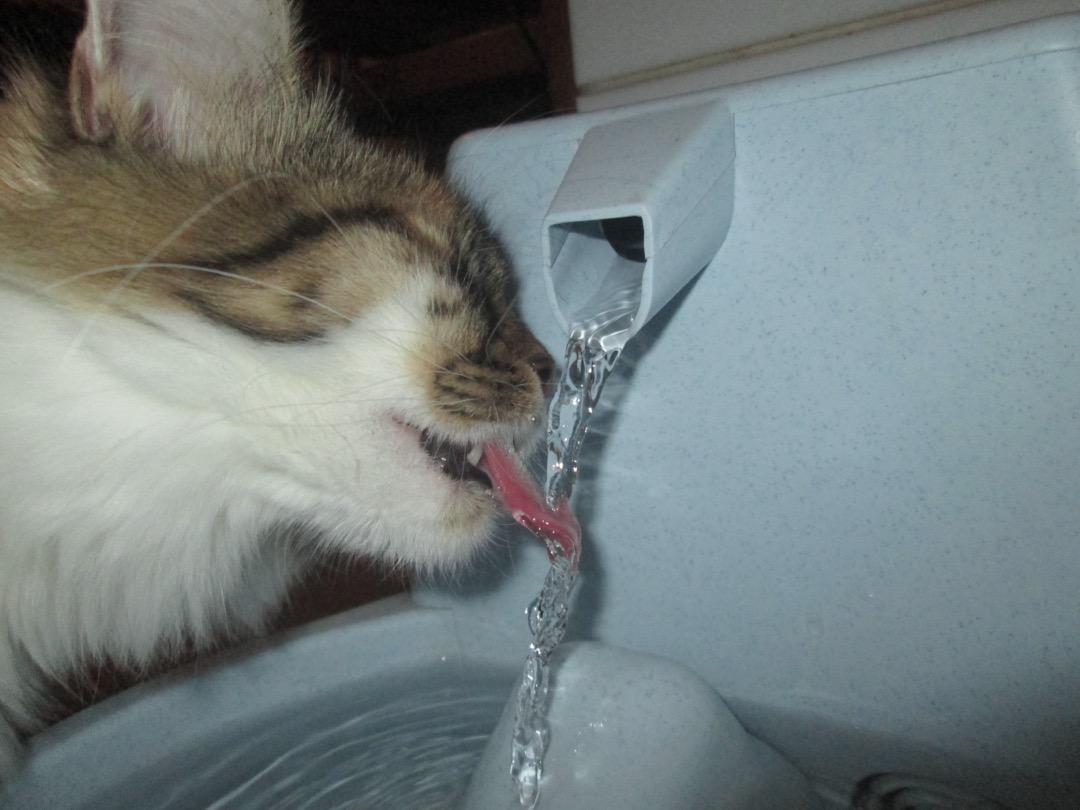
Owners usually raise this one at the end of an appointment, almost as an afterthought. “She never seems to drink anything. Should I be worried?” Often the honest answer is no, because the cat eats canned food and is getting most of her water from the bowl she empties at breakfast. Sometimes the answer is yes, because the cat eats only kibble, has a history of bladder trouble, and visits a water bowl that sits next to the litter box.
The advice online treats every tip as equally useful. They are not. Some are backed by controlled studies, some by sensible behaviour guidance, and some are folklore that happens to be harmless. Below, I have ranked them in the order I actually give them to clients, with what the evidence says about each.
The Short Answer
- Put the water in the food. Wet food, or water added to food, is the only method shown to reliably dilute a cat’s urine.
- Move the bowls. Several water stations, away from the litter box and a little apart from the food bowl.
- Keep it fresh and wide. Clean daily, fill to the brim, and use a wide ceramic, glass, or steel bowl.
- Treat a fountain as an experiment. Some cats drink more from one. On average, in studies, cats did not.
- Flavour carefully. Low-sodium broth with no onion or garlic, in a separate bowl, alongside plain water.
- Never force water with a syringe, and get a vet check if drinking changes noticeably in either direction.
How Much Water Does a Cat Actually Need?
A healthy adult cat needs roughly 50 mL of water per kilogram of body weight per day, which is about 4 ounces for every 5 pounds of lean weight. A typical 4 to 5 kg cat therefore needs somewhere around 200 to 250 mL a day, a little under a cup.
The detail most articles get wrong is that this is total water, not water from the bowl. It comes from three places: what the cat drinks, the moisture in its food, and a small amount produced when the body burns food for energy. Canned food is up to about 80 percent water. Kibble is 10 percent or less. A cat eating enough wet food can meet nearly its entire requirement without visiting a bowl at all, which is why a wet-fed cat who barely drinks is usually fine, and a kibble-fed cat who barely drinks is the one I worry about.
Cats are also built to be poor drinkers. The domestic cat descends from a desert hunter that took most of its water from prey, which is around 70 percent water, and its thirst drive still reflects that. A cat on dry food drinks more than a wet-fed cat but does not drink enough to make up the difference.
1. Put the Water in the Food
This is the tip with the strongest evidence, and the one I lead with every time.
In a 2011 study by Buckley and colleagues, cats were fed the same dry diet rehydrated to four different moisture levels, from about 6 percent up to about 73 percent. On the driest diet the cats drank far more from their bowls, yet their total water intake was still lower than on the wettest diet. Only the high-moisture version produced meaningfully more dilute urine and a lower risk score for calcium oxalate crystals. Put plainly: cats under-compensate when their food is dry, and adding water to the food fixes what drinking does not.
There are three ways to do it, in order of how much they help:
- Switch some or all meals to canned or pouched food. Most of my clients settle on a mix, with wet at one or two meals. My comparison of wet vs dry cat food covers the trade-offs, and my roundup of the best wet cat foods notes texture on every pick, because a cat who refuses pâté will often eat shreds in gravy.
- Add warm water to wet food. A tablespoon or two stirred into a can is accepted by most cats and warms the aroma as well. Go gradually if your cat is suspicious of changes.
- Soak kibble. Some cats will eat dry food soaked in water, and any complete kibble works, including the recipes in my best dry cat food picks. Soaked kibble spoils quickly, so serve it as a meal and remove leftovers within an hour or two.
Wet food carries far fewer calories per gram than kibble, so swapping in cans without adjusting portions changes the calorie count. Work it out in calories, not scoops, using my guide to how much wet food to feed a cat.
2. Put Water Bowls Where Cats Want to Drink
Placement is behaviour advice rather than trial data, but it comes from the AAFP and ISFM feline environmental needs guidelines and from International Cat Care, and it matches what I see in practice.
- Keep water well away from the litter box. The guidelines are explicit that toileting areas should always be separate from food and water. A bowl beside the box is a common reason a cat drinks little, and a covered or high-sided litter box does not make up for it, since the smell still carries. My guide on where to put a litter box works through the room-by-room layout.
- Separate water from food. International Cat Care recommends water in the same room as food but not touching it, and advises against the double bowls that join the two. Food smells and crumbs in the water put many cats off.
- Provide more than one station. One per cat plus one is the usual rule for resources, with a bowl on every floor of the house. Put bowls away from busy doorways and with a clear view around them, so a cat is not cornered while drinking.
- Watch multi-cat dynamics. In a tense household, one cat can quietly guard the only water bowl. If you have recently brought a cat home and the residents are still sorting out the hierarchy, my guide on how to introduce cats to each other covers how to set up separate resources.
- Think about mobility. An arthritic senior may not climb stairs to reach water. Add a bowl on the floor where the cat spends its time.
3. Keep the Water Fresh, Full, and Clean
Cats are sensitive to smell and to stale water. Empty, wash, and refill bowls daily, and more often in hot weather or if you notice hair or food floating on the surface. Fill the bowl to the brim so the cat can drink without pushing its face down into a narrow vessel.
Material matters mostly for cleanliness. Plastic scratches with use and holds odours in the scratches, which some cats notice long before we do. Ceramic, glass, and stainless steel are easier to keep clean. If your cat drinks from your glass or the bathroom tap, take the hint: offer a wide glass or ceramic bowl somewhere similar and see whether it gets used.
4. Try a Wide, Shallow Bowl (but Know What Whisker Fatigue Is)
“Whisker fatigue” is the idea that a cat’s whiskers touching the sides of a deep bowl is unpleasant enough to put it off. It appears widely in marketing and very little in research.
The best study I know of, published by Slovak and colleagues in 2020, followed 38 cats eating from their usual dish and from a shallow whisker-friendly dish. It found no difference in how long the cats spent eating or how much they ate, although cats leaned somewhat towards the shallow dish when given the choice. It tested food bowls, not water. My reading: a wide, shallow water bowl costs nothing and some cats prefer it, so it is worth trying, but it is not a cure.
5. Do Water Fountains Work?
Moving water is the advice everyone repeats, and the evidence is weaker than the confidence suggests.
- Grant, 2010: 13 household cats were tested with a bowl and with a fountain. One cat was removed after refusing the fountain and showing signs of stress. Across the remaining 12, average intake was somewhat higher with the fountain, but urine concentration did not change, and the authors concluded the fountain did not substantially increase intake or dilute the urine. The intake difference also disappeared when one cat with an irregular diet was excluded.
- Robbins, 2019: 14 cats on dry food were offered still bowls, circulating bowls, and free-falling fountains. There was no difference in average intake, urine specific gravity, or urine volume between them. But three individual cats showed a clear preference for one design.
That individual variation is the useful finding. Fountains do not work for the average cat, but some specific cats love one, and you will not know which kind your cat is until you try. Introduce it next to the existing bowl without the pump running for a few days, then switch it on, and keep the old bowl available until you see the cat use the fountain. My roundup of the best cat water fountains covers pump noise and stainless and ceramic bowls, and has a section on cats who refuse the fountain. Whatever you buy, a fountain needs its pump and filter cleaned every one to two weeks, or it becomes the least hygienic water source in the house.
6. Flavour the Water, Safely
Flavoured water gets some cats drinking, and Cornell’s Feline Health Center lists it as a reasonable option. Done carelessly it causes problems, so the rules matter.
- Use low-sodium broth with no onion or garlic. Both are toxic to cats, and they appear in most human stocks and bouillon cubes. Read the label, or make plain unsalted chicken broth yourself.
- Use tuna water from tuna canned in spring water, never brine or oil, and only a teaspoon or two in a bowl.
- Offer it in a separate bowl, alongside plain water, and throw it away after a few hours, since flavoured water spoils.
- Freeze diluted broth into ice cubes if your cat likes to play with or lick ice.
Lickable puree treats are another route, since most of them are mostly water. They are treats rather than a meal, so keep them within the treat allowance. My picks for the best lickable cat treats note moisture and calories.
What Not to Do
- Do not syringe water into a cat’s mouth. A cat can inhale liquid given this way. If a cat needs fluids, that is a vet’s decision, and the vet may teach you to give fluids under the skin.
- Do not salt food or water to drive thirst. Leave diet changes of that kind to therapeutic diets prescribed by your vet.
- Do not restrict water for a cat that drinks a lot, even if the extra urine is a nuisance. Heavy drinking is usually compensating for something.
How to Check Your Cat’s Hydration at Home
Home checks give you a rough idea, not a diagnosis.
- Gums: Lift the lip and touch the gum. It should feel slick and moist. Tacky or dry gums suggest dehydration.
- Skin tent: Gently lift the loose skin between the shoulder blades and let go. In a well-hydrated cat it falls back almost at once. Skin that returns slowly, or stays tented, suggests fluid loss.
- Eyes and energy: Sunken eyes and lethargy go with more severe dehydration and need a vet the same day.
There is an important limitation. Older and thin cats lose skin elasticity, so the skin tent can look slow in a senior who is perfectly well hydrated. Gum colour and the capillary refill test tell you more about circulation than about hydration, and my cat gum color chart explains what each shade means. If the checks worry you, or the cat is unwell, the vet will measure what home tests can only estimate.
When Drinking Means a Vet Visit
Too little and too much both matter.
Drinking less is common in cats on wet food and not a concern on its own. It becomes one when the cat is also eating less, vomiting, or lethargic. A cat that stops eating for more than a day needs to be seen, since cats develop liver problems quickly when they go without food. Dental pain is an underrated reason for a cat to avoid cold water and hard food.
Drinking more is the change I take more seriously. Kidney disease, diabetes, and an overactive thyroid all push water intake up, and all three are common in middle-aged and older cats. Signs to act on: refilling the bowl noticeably more often, larger or more frequent urine clumps, accidents outside the box, or weight loss despite a good appetite. Tracking weight helps here, and my cat body condition score guide shows what to look for. A urine sample and blood work usually find the cause, and catching kidney disease early makes a real difference to how long a cat does well.
Straining in the litter box with little or no urine is an emergency, especially in a male cat. A blocked bladder can be fatal within a day or two. Do not wait to see whether drinking more fixes it.
If urinary accidents are already part of the picture, clean the spots thoroughly with an enzyme cleaner for cat urine, because a lingering smell draws a cat back to the same place.
The Plan I Give Clients
For a healthy adult cat who drinks little:
- Move at least one meal to wet food, or add water to the existing wet food, and adjust the calories.
- Move the water bowl away from the litter box and off the food mat, and add a second station.
- Swap plastic bowls for a wide ceramic, glass, or steel bowl, cleaned and refilled daily.
- If the cat seems drawn to taps, try a fountain next to the old bowl and keep whichever gets used.
- Use flavoured water or lickable treats as a supplement, not the main plan.
For a cat with a urinary history, step one is not optional. For a cat whose drinking has recently changed, skip the list and book a check-up first.
Frequently Asked Questions
Is it okay if my cat doesn’t drink water but eats wet food?
Usually, yes. Canned food is up to about 80 percent water, and a cat eating enough of it can meet nearly all its daily water need from meals. Many wet-fed cats are rarely seen at the bowl and are well hydrated. Keep fresh water available anyway, and look for a vet if the cat also eats less, seems lethargic, or produces noticeably less urine.
How long can a cat go without water?
Cats can survive a few days without water, but that is not a safe margin. Dehydration starts affecting a cat within a day, faster in heat, with illness, or in a cat with kidney disease. A cat that has neither eaten nor drunk for 24 hours should be seen by a vet, and sooner if it is vomiting or lethargic.
Do cats prefer running water?
Some do. Controlled studies found that fountains did not raise average water intake or dilute urine, but individual cats in those studies clearly preferred one water source over another. Try a fountain beside the existing bowl and let your cat decide. Cats that drink from taps are good candidates.
Is it safe to give my cat broth to make it drink more?
Only if the broth is low in sodium and contains no onion or garlic, both of which are toxic to cats. Most human stocks and bouillon cubes fail that test. Offer a small amount in a separate bowl alongside plain water and discard it after a few hours.
Why is my cat suddenly drinking a lot of water?
A sudden increase in thirst is one of the most important changes to report to your vet. Chronic kidney disease, diabetes, and hyperthyroidism are the most common causes in middle-aged and older cats, and all three are easier to manage when caught early. Bring a fresh urine sample if you can, and note how often you have been refilling the bowl.
Related Articles
About the Reviewer

Dr. Priya Anand, DVM, ABVP (Feline)
DVM, Cornell University College of Veterinary Medicine
Dr. Priya Anand is a veterinarian board-certified by the ABVP in Feline Practice, with over a decade caring for cats in a feline-exclusive clinic. She has guided thousands of cat owners through nutrition, litter-box troubleshooting, enrichment, and senior-cat care. She founded House of Mittens in 2026 to cut through pet-aisle marketing and recommend the food, litter, and gear that actually keep cats healthy and happy — judged the way she'd advise her own patients.