How Often to Change Cat Litter: A Vet's Schedule by Litter Type
Feline veterinarian Dr. Priya Anand, DVM gives the real schedule for changing cat litter — a full change chart by litter type and number of cats, when topping off is fine, how often to empty an automatic box, and the six signs your litter is overdue right now.
Updated
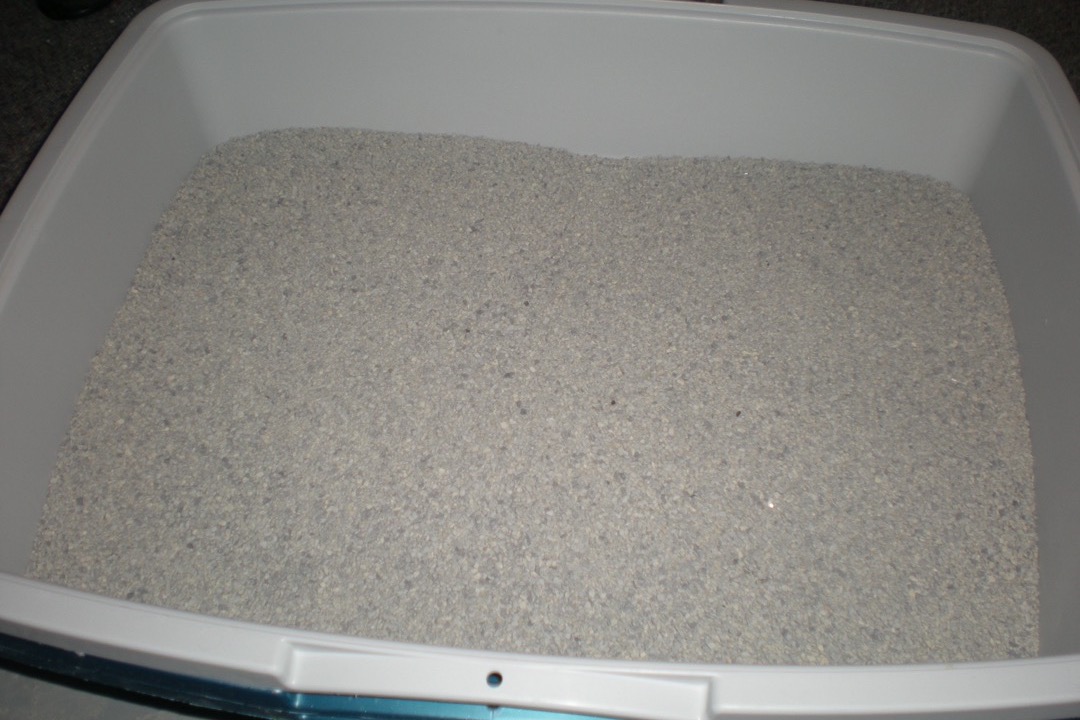
“How often should I change the litter?” is one of the most common questions I get in my exam room, and it is one of the few where the internet’s answers are genuinely all over the map. You will see “once a week” from one source and “every four weeks” from another, both stated with total confidence. Both can be right. The reason they disagree is that they are quietly answering for different litters, different numbers of cats, and different definitions of the word change.
So let me untangle it the way I do with clients. There is no single correct interval, but there is a correct method: scoop every day without exception, then do a full dump-and-refill on a schedule set by what your litter is made of and how many cats are using the box. Get those two variables right and the interval falls out on its own. This guide gives you the schedule chart, the multi-cat adjustments, the honest answer on topping off, and the signs that override the calendar entirely.
The Short Answer
If you want the rule of thumb before the detail:
- Scoop every clump and every stool at least once a day, twice if you can. This is the habit that matters most, and it is what buys you longer intervals between full changes.
- With clumping clay litter and one cat, do a full change every two to four weeks. Diligent daily scooping puts you at the longer end; sloppy scooping puts you at the shorter end.
- With non-clumping clay, change completely every three to seven days. It cannot be spot-cleaned properly, so urine stays in the box until you dump it.
- Cut the interval roughly in half for each additional cat sharing the box.
- Wash the empty box with soap and hot water every time you do a full change, and give it a proper deep clean at least monthly.
Everything below is the detail that tells you where in those ranges your box sits.
How Often to Change Cat Litter by Type
Litter material is the single biggest variable, because it determines whether urine can be removed daily or has to sit in the box until you dump the whole thing.
| Litter type | Scoop | Full change (1 cat) | Why |
|---|---|---|---|
| Clumping clay (bentonite) | Daily, ideally twice | Every 2–4 weeks | Urine forms removable clumps, so you take the waste out daily |
| Non-clumping clay | Daily (stool only) | Every 3–7 days | Urine soaks through the whole bed and cannot be scooped out |
| Silica crystal / gel | Daily, stir weekly | Every 3–4 weeks | Absorbs urine and lets it evaporate; capacity runs out on a schedule |
| Plant-based clumping (corn, wheat, tofu) | Daily, ideally twice | Every 1–2 weeks | Clumps well but organic material breaks down and can grow mold faster |
| Paper or wood pellets | Daily (stool), sift daily | Every 1–2 weeks | Pellets crumble to sawdust as they absorb; sift the sawdust out |
| Walnut / grass litters | Daily, ideally twice | Every 2–3 weeks | Clumps well, but darker material hides soiling — go by smell |
A note on the two that trip people up most. Silica crystal looks clean long after it is finished, because the crystals do not visibly change much. What actually happens is that the gel reaches saturation, evaporation stops, and the box turns sharply ammoniac more or less overnight. Stir the crystals when you scoop stool so the wet ones distribute, and mark your calendar rather than waiting for your nose. Plant-based litters are the opposite problem: they perform beautifully for the first week and then, because they are food-derived organic material, they are more prone to mold and bacterial growth than clay if left damp — especially in a humid house or a bathroom with a shower running in it. I shorten the interval on plant litters in summer.
If you are constantly changing litter to stay ahead of odor, the litter itself is usually the weak link rather than your routine. Clumping strength, dust level, and odor control vary enormously between products, and a stronger-clumping litter genuinely stretches the interval because more of the urine leaves the box with your scoop instead of staying behind. I go through which materials hold up at each life stage, including low-dust and unscented options, in my guide to the best cat litters.
How Many Cats Changes Everything
The second variable is volume. A healthy adult cat urinates roughly two to four times a day and passes stool about once a day, so every additional cat sharing one box compounds the load fast — and cats sharing a box also stress each other, which is why the standard veterinary recommendation is one box per cat plus one spare.
| Cats sharing one box | Scoop | Full change (clumping clay) | Deep clean the box |
|---|---|---|---|
| 1 cat | Once or twice daily | Every 2–4 weeks | Monthly |
| 2 cats | Twice daily | Every 1–2 weeks | Every 3 weeks |
| 3 cats | Twice daily | Weekly | Every 2 weeks |
| 4+ cats | Two to three times daily | Weekly or sooner | Every 2 weeks |
Two things I would ask you to notice in that table. First, the fix for a multi-cat home is usually more boxes, not more frequent changes — spreading three cats across four boxes returns each box to something close to a single-cat schedule and dramatically reduces the odds of one cat guarding a box and another finding your rug. Second, box size matters nearly as much as box count. Most commercial boxes are too small for an adult cat, and a cramped box concentrates waste into a small volume of litter that saturates in days. A box should be about one and a half times the length of your cat from nose to tail base. I cover sizing, entry height for seniors, and materials in my roundup of the best cat litter boxes.
Daily Scooping Is What Buys You Time
Everything in the charts above assumes you are scooping properly, because the full-change interval is really a measure of how much waste is left behind after each scoop. Skip two days and a three-week clumping schedule collapses to one.
Scoop technique is worth thirty seconds of attention:
- Get every clump, every time. One missed urine clump left to dissolve into the surrounding litter is the single most common source of ammonia smell in an otherwise clean box, and it accelerates the whole bed’s decline.
- Scrape the corners and the floor of the box. Urine that reaches the bottom cements a clump to the plastic. Left there, it is a permanent odor source that no amount of fresh litter on top will mask.
- Top off to a consistent depth of about two to three inches for clumping litters. Cats dig, and a bed that has gotten shallow lets urine hit the bottom instead of clumping cleanly in the middle.
- Look at what you scoop. This is the part I care about most clinically. You are the only person who sees your cat’s output every single day, and the box is where urinary and metabolic disease shows up first.
That last point is not filler. Urine clumps that have suddenly doubled in size, or a noticeable jump in how many clumps you pull out each day, are classic early signs of diabetes, kidney disease, or hyperthyroidism. Tiny clumps, frequent unproductive trips, or straining and crying in the box can mean cystitis or a urinary blockage — which in male cats is a same-day emergency. Daily scoopers catch these weeks earlier than weekly scoopers do. If you want the full technique for scooping, deep cleaning, and disinfecting safely, including the two cleaning chemicals I ask owners never to use, that is all in my step-by-step guide on how to clean a litter box.
Topping Off vs. Changing: Where Owners Go Wrong
Adding fresh litter after each scoop is not the same as changing the litter, and confusing the two is the most common reason a box smells despite a conscientious owner.
Topping off is correct and necessary. Every scoop removes litter along with the waste, so the bed gets shallower. Replacing that volume keeps the depth in the two-to-three-inch range where clumping works. Do it every day or two.
Topping off does not reset the clock. What accumulates in the bed between changes is not something a scoop can lift: microscopic urine residue that wicked outward before the clump set, dust from broken-down granules, bacteria, and — in a plastic box — odor absorbed into scratches in the plastic itself. Fresh litter poured on top sits above all of it. Cats, whose sense of smell is far sharper than ours, are not fooled for a moment, and a box that reads as contaminated to a cat is a box they will eventually stop using.
The practical test is simple: if a freshly scooped, freshly topped-off box still smells, it needs a full change today, whatever the calendar says. Odor after scooping means the smell is coming from the bed and the box, not the waste.
How Often to Change Litter in an Automatic Box
Self-cleaning boxes change the mechanics but not the principle. The rake or rotating globe does your daily scooping continuously, which is exactly why they extend intervals so effectively — waste leaves the litter bed within minutes instead of hours. What they do not do is eliminate the full change.
A reasonable schedule for a single cat with a well-maintained automatic box:
- Empty the sealed waste drawer every seven to ten days for one cat, every four to six days for two, and every two to three days for three or more. A full drawer is the most common cause of an automatic box smelling worse than a manual one, because the waste is concentrated in one sealed container.
- Do a full litter change every three to four weeks for one cat. The unit sifts, but fine dust and residue still accumulate in the remaining litter.
- Deep clean the mechanism every one to three months, disassembling per the manufacturer’s instructions to wash the rake, the base, and around the sensors. Urine creeps onto moving parts and sensor windows, and a fouled sensor is the usual reason a unit starts mis-cycling.
Automatic boxes are also fussy about litter: nearly all of them require a hard-clumping clay and will jam on pellets, crystals, or soft plant litters. If you are weighing whether one is worth it for your household, I compare cycle mechanisms, drawer capacity, and multi-cat suitability in my review of the best automatic litter boxes.
Kittens, Seniors, and Cats with Medical Conditions
Some cats need a shorter interval than the charts suggest, and it is worth knowing which.
Kittens under about four months should be on a non-clumping litter, which means a full change every few days rather than every few weeks. Very young kittens taste and swallow litter while they are learning, and clumping clay can form a mass in the digestive tract. They are also messier and less accurate, so the box soils faster. I walk through litter choice, box placement, and the training sequence in my guide to litter training a kitten.
Senior cats and cats with kidney disease produce a much larger volume of dilute urine — often two or three times normal. A senior with early kidney disease can saturate a box in a week that a healthy young cat would take three weeks to fill. If your older cat’s clumps have grown noticeably, that is medical information first and a scheduling problem second: mention it to your vet, then shorten the interval.
Cats with diarrhea, a recent parasite diagnosis, or any infectious illness need the litter changed completely and the box disinfected once they are recovered, rather than waiting for the normal cycle. The same applies after any household cat is treated for parasites.
Cats on a moisture-rich diet urinate more, which is a good thing clinically and a scheduling cost to accept cheerfully. Cats evolved from desert animals and are poor voluntary drinkers, so most of their water intake ideally comes from food. Feeding wet food meaningfully increases urine volume and dilutes it, which is protective against the urinary crystals and blockages I treat far too often. Expect larger, more frequent clumps if you feed canned — see my roundups of the best wet cat foods for texture and formula options, and my guide to how much wet food to feed a cat for portioning. The same logic makes a cat water fountain worth trying for dry-fed cats: many cats drink substantially more from moving water, and more dilute urine is exactly what you want, even though it means you will be scooping bigger clumps.
Six Signs Your Litter Is Overdue Right Now
The calendar is a default, not a rule. Change the litter today, regardless of when you last did, if you notice any of these:
- Ammonia smell that persists after a full scoop. The waste is out, so the odor is in the bed or the box.
- Litter that feels damp, looks dark or grey, or has lost its texture. Saturated litter cannot absorb any more.
- Clumps that fall apart when you lift them, or cement to the bottom of the box. Both mean the litter’s binding capacity is spent.
- Your cat perches on the rim, shakes their paws, or bolts out immediately. These are avoidance behaviours in progress, and they precede eliminating outside the box.
- Any elimination outside the box in a previously reliable cat. Rule out medical causes with your vet, but a dirty box is the most common non-medical trigger.
- You are covering the smell rather than fixing it. Air fresheners and scented candles near the box are a signal that the box is overdue — and heavy fragrance near a litter box can itself put a cat off using it.
What Actually Happens If You Wait Too Long
Not to be alarmist, but the consequences are real and I see all of them.
The behavioural consequence comes first and is the hardest to undo. A cat who decides the box is unusable will find an alternative, and once a surface has been established as an acceptable toilet, breaking that habit takes far more work than simply changing the litter would have. House-soiling is also one of the leading reasons cats are surrendered to shelters, which makes a bag of litter an extraordinarily cheap intervention.
The medical consequences follow. A cat who avoids an unpleasant box holds urine longer, and concentrated urine sitting in the bladder is a well-established contributor to feline idiopathic cystitis, crystal formation, and urethral obstruction. Neglected boxes also grow bacteria and, with organic litters, mold — a respiratory irritant for the cat crouching directly over it and for you. And the ammonia that builds up in a saturated bed is not merely unpleasant: it is an irritant to feline airways at concentrations well below what bothers us.
Finally, there is the diagnostic cost. A box you are not maintaining is a box you are not reading, and you lose the daily monitoring window that catches urinary and kidney disease early.
How to Do a Full Change Properly
Once you have decided it is time, the process takes about ten minutes:
- Put the cat in another room so they are not startled and do not try to use the box mid-process.
- Dump the entire contents into a sealed bag. Do not save the “clean-looking” top layer — that is the residue you are trying to remove. Bag it and put it in the household trash; never flush litter, including litters labelled flushable.
- Wash the empty box with hot water and plain, unscented dish soap. Scrub the corners and the floor where clumps cement. Skip bleach for routine cleaning, and never let any bleach product contact ammonia-rich urine.
- Dry the box completely. Fresh litter poured into a damp box clumps to the plastic immediately and you have undone the whole exercise.
- Refill to two or three inches. Deeper is not better — most cats dislike a very deep bed, and it wastes litter.
- Check the plastic while it is empty. Deep scratches trap odor permanently. A box that still smells right after a thorough wash has reached the end of its useful life and should be replaced, typically every year or two for plastic.
How Long a Bag of Litter Actually Lasts
A practical planning number, since this is what people are usually trying to work out. A standard forty-pound bag of clumping clay fills a large box to a proper depth roughly three times, with enough left over for daily topping off in between. For one cat on a two-to-four-week change cycle with conscientious daily scooping, that works out to somewhere between one and two months per bag. Two cats sharing one box roughly halves it. Non-clumping clay burns through far faster, because you are dumping the entire bed every three to seven days rather than removing clumps.
The counterintuitive part is that cheaper litter is often more expensive in use. A weak-clumping litter leaves urine behind in the bed with every scoop, which shortens the full-change interval and means you dump more unused litter each time. A hard-clumping litter costs more per bag and frequently lasts longer per box, because more of what you remove is waste and less of it is perfectly good litter. That is the real economics of the litter aisle, and it is why I rarely recommend buying on price per pound alone.
Frequently Asked Questions
How often should you completely change cat litter?
For clumping clay litter with one cat and daily scooping, do a complete change every two to four weeks. Non-clumping clay needs a complete change every three to seven days, silica crystals every three to four weeks, and plant-based litters every one to two weeks. Roughly halve the interval for each additional cat sharing the box, and change immediately if the box smells after scooping.
Can you put new litter on top of old litter?
Topping off after scooping is correct and necessary to maintain depth, but it does not substitute for a full change. Fresh litter poured over a saturated bed sits above the urine residue, bacteria, and dust that scooping cannot lift, and your cat will still smell it. Top off daily, dump and refill on schedule.
How often should you change cat litter for one cat?
Every two to four weeks with clumping clay if you scoop daily. Scoop twice a day and use a hard-clumping litter in an appropriately large box and you can reliably sit at the four-week end. Scoop irregularly, use a small box, or use a weak-clumping litter and you will need to change weekly.
How long can a cat go without a litter change?
There is no safe number of days to quote, because it depends entirely on litter type and use. What I can tell you is that cats begin avoiding a box long before an owner would call it dirty, and avoidance is the point where the real problems start. If the box smells after scooping, or the litter is damp and clumps are falling apart, your cat has already been tolerating it for a while.
How often should you change litter in an automatic litter box?
Empty the sealed waste drawer every seven to ten days for one cat, more often for multiple cats, and do a full litter change every three to four weeks. Deep clean the mechanism itself every one to three months. The rake handles daily scooping, but fine residue still builds up in the remaining litter and on the sensors.
Does wet food mean I have to change the litter more often?
Somewhat, yes, and it is a trade worth making. Cats on canned food take in far more water and produce a larger volume of dilute urine, so you will scoop bigger clumps. Dilute urine is protective against the crystals and blockages that send cats to the emergency room, so I would not trade urinary health for a longer litter interval.
Why does my litter box smell even though I just changed it?
Three usual culprits: the box was not dry when you refilled it, a clump was cemented to the bottom and did not come out in the dump, or the plastic itself has absorbed odor into deep scratches. If a box smells immediately after a thorough wash and a full refill, the box has reached the end of its life and should be replaced.
Should I change all the litter or just part of it?
All of it. Partial changes leave the saturated bottom layer, which is where the residue and odor actually live, and they give you a false sense that the box has been reset. The only exception is a self-cleaning box between full changes, where the unit is continuously removing waste for you.
Is it better to change litter more often or scoop more often?
Scoop more often. Daily — ideally twice daily — scooping does more for odor, for your cat’s willingness to use the box, and for your ability to spot early illness than any change schedule can. Diligent scooping also lengthens the interval between full changes, so it saves you litter as well as time.
Related Articles
About the Reviewer

Dr. Priya Anand, DVM, ABVP (Feline)
DVM, Cornell University College of Veterinary Medicine
Dr. Priya Anand is a veterinarian board-certified by the ABVP in Feline Practice, with over a decade caring for cats in a feline-exclusive clinic. She has guided thousands of cat owners through nutrition, litter-box troubleshooting, enrichment, and senior-cat care. She founded House of Mittens in 2026 to cut through pet-aisle marketing and recommend the food, litter, and gear that actually keep cats healthy and happy — judged the way she'd advise her own patients.