How to Litter Train a Kitten: A Veterinarian's Step-by-Step Guide
Feline veterinarian Dr. Priya Anand, DVM walks through how to litter train a kitten — the right age, the safest litter and box, the introduction steps, and the clinical red flags that mean it's time to call your vet.
Updated
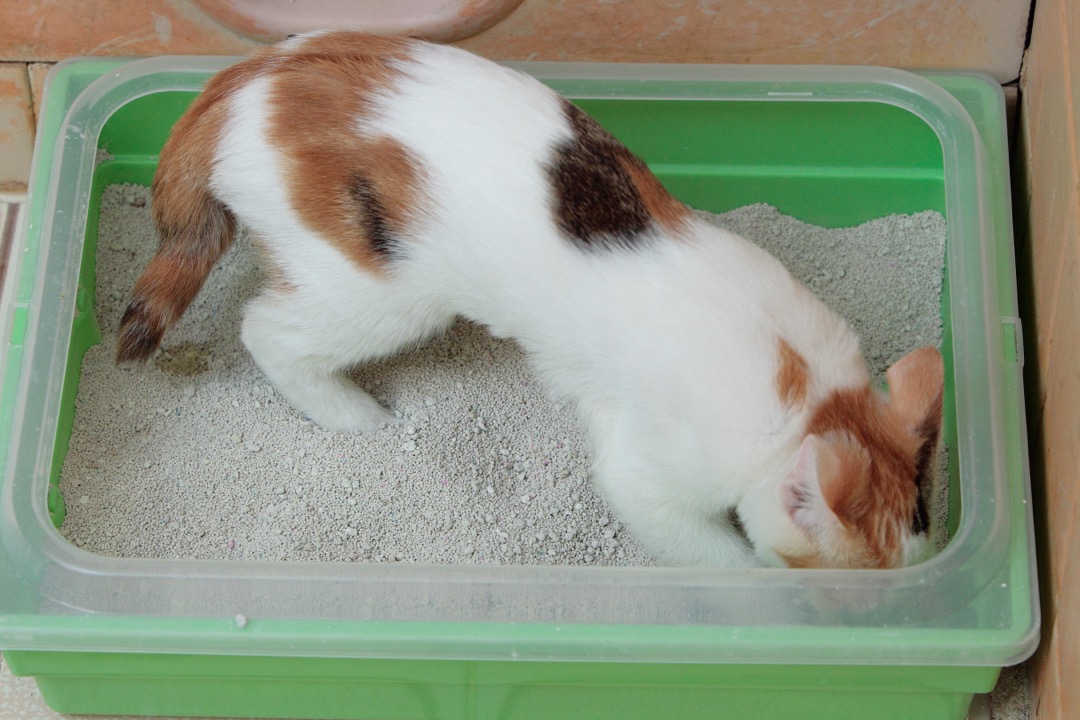
Here is the good news I give every new kitten owner who walks into my exam room worried about litter training: cats come pre-wired for this. Eliminating into a loose, diggable substrate and burying the result is hardwired feline behavior, not something you teach from scratch the way you house-train a puppy. Your job is not to instill the instinct — it is to set up an environment that lets the instinct express itself, and then get out of the way.
That said, the kittens I see with litter box “failures” almost always have an owner who made one of a handful of avoidable setup mistakes: a box with sides too tall for tiny legs, a scented litter that overwhelms a kitten’s nose, a box tucked next to a roaring washing machine, or — most concerning to me clinically — an undiagnosed medical problem being mistaken for stubbornness. This guide walks through how to do it right the first time, and just as importantly, how to tell the difference between a training hiccup and a kitten who needs to see me.
When to Start Litter Training (and Why the Timeline Matters)
Most people bring a kitten home between 8 and 12 weeks of age, and by that point the kitten is fully capable of using a litter box. But it helps to understand why.
A kitten under about 3 weeks of age physically cannot eliminate on its own. The neurological reflex that controls urination and defecation has not matured, which is why a mother cat licks her kittens’ abdomens and perineal area after feeding — that stimulation is what triggers them to go. (Hand-raised orphan kittens need a human to do this with a warm, damp cloth until roughly 3 to 4 weeks, or they cannot pass urine and stool at all.)
Around 3 to 4 weeks, that reflex comes online, the kitten gains voluntary control, and the instinct to seek out a diggable surface appears almost immediately. This is the window when a well-raised litter of kittens starts toddling over to a low tray of litter entirely on their own. So by the time a kitten is old enough to leave its mother, the foundation is already laid. If you have an orphaned or bottle-fed kitten younger than this, your priority is stimulation and warmth, not litter training — and that kitten should be under a veterinarian’s guidance regardless.
Choosing the Right Litter Box for a Kitten
The single most common setup mistake I see is a standard adult litter box used for an 8-week-old kitten. A grown cat steps over a 5- or 6-inch wall without thinking; a kitten that small sees a climbing wall and may simply give up and go beside it.
- Side height is everything. Use a box with at least one low entry side — under about 3 inches. A shallow storage tray or a purpose-made kitten box works perfectly. You can graduate to a taller box once the kitten can clear the wall easily, usually by 4 to 5 months.
- Bigger floor, not taller walls. Cats of every age prefer roomy boxes (a good rule is about 1.5 times the length of the cat, nose to tail base). For a kitten, prioritize floor space and low sides over a high-walled or top-entry design.
- Covered or uncovered? I default to uncovered for kittens. A hood traps odor and ammonia inside — pleasant for you, but a kitten’s nose is far more sensitive than yours, and a smelly enclosed box is a box a cat learns to avoid. Uncovered also lets a nervous kitten see the room and feel it has an escape route, which matters a great deal in the first stressful weeks.
- How many, and where. The standard guideline is one box per cat plus one extra — so a single kitten ideally gets two boxes. Place them in quiet, low-traffic, easy-to-reach spots. Avoid corners next to appliances, air vents, or anything that bangs, hisses, or vibrates. Never put the box next to the food and water bowls; cats instinctively will not eliminate where they eat.
Choosing the Safest Litter for a Kitten
Litter choice is where the medical stakes are highest, and it is the part most owners get wrong.
The clumping clay rule. Clumping clay litter is excellent for adult cats but should be avoided for kittens under roughly 8 to 10 weeks. Young kittens explore by mouth and routinely swallow a little litter while learning to dig and cover. Clumping clay is designed to absorb many times its weight in liquid and form a hard mass — and it can do exactly that inside a kitten’s digestive tract, posing a risk of intestinal blockage. Until your kitten reliably uses the box and has stopped mouthing the litter, use a non-clumping or a plant-based litter instead.
What I recommend for the youngest kittens: a non-clumping, unscented, low-dust litter, or a natural plant-based option such as tofu or a paper-pellet litter. Plant-based litters are made from food-grade material and are far gentler if a curious kitten ingests a little. Whatever you choose, unscented is non-negotiable in my practice. Cats have roughly 200 million scent receptors to our 5 million; a perfume that smells “fresh” to you can be genuinely aversive to a kitten and is a documented cause of box avoidance. Low dust matters too, especially for any kitten with sniffly, congested breathing.
If you want a deeper, brand-by-brand breakdown of which materials control odor and dust best at each life stage, I lay it all out in my guide to the best cat litters, including the unscented and tofu options I reach for with respiratory-sensitive and very young cats.
When to switch to clumping. Once your kitten is past about 10 to 12 weeks, is reliably using the box, and is no longer putting litter in its mouth, you can transition to a clumping clay or clumping plant litter — which makes scooping far easier and odor control far better. Switch gradually over a week or so, mixing increasing amounts of the new litter into the old, so the change in texture and smell doesn’t put the kitten off the box.
How to Introduce Your Kitten to the Litter Box
With the right box and litter in place, the introduction itself is simple.
- Start small and confined. For the first few days in a new home, keep your kitten in one room — a bedroom or bathroom works well — with the box, food, water, and a bed. A whole house is overwhelming and makes the box too far away in the moment of need. A confined kitten learns the box’s location fast, and you can expand its territory once it’s reliable.
- Show, don’t force. Place the kitten gently in the box a few times a day, especially right after waking, after eating, and after play — these are the moments cats most need to go. Many kittens will start scratching at the litter on their own; that digging instinct is your cue that it’s working. Never grab a kitten’s paws and force a digging motion. It frightens them and can create a negative association with the very spot you want them to love.
- Read the signs. A kitten that suddenly stops playing, starts sniffing the floor intently, crouches, or circles is about to go. Calmly scoop it up and set it in the box. Catch a few of these moments and the kitten connects the urge with the location.
- Reinforce, never punish. Quiet praise or a tiny treat right after a successful box visit reinforces the behavior. Do the opposite of punishment for accidents: never rub a kitten’s nose in a mess, scold, or startle it. Cats do not connect punishment after the fact with the act — they only learn that you and sometimes the box area are scary, which makes everything worse. If you catch an accident in progress, just calmly move the kitten to the box.
Keeping the Box Clean Enough for Your Kitten to Use It
Cats are fastidious, and a dirty box is one of the top reasons they stop using one. Kittens are no exception.
- Scoop at least once or twice daily — more for a kitten, who may eliminate frequently. As a benchmark, it is normal for a kitten to urinate after most meals and to pass stool one to several times a day.
- Do a full litter change and box wash regularly — roughly weekly for non-clumping litter, less often for clumping, using plain soap and water (skip harsh, strongly scented cleaners that leave an off-putting smell).
- Clean up accidents with an enzymatic cleaner, not a standard household one. Enzymatic cleaners break down the odor compounds in urine that a cat can still smell long after the spot looks clean. If any scent remains, the kitten reads that spot as an approved bathroom and will return to it.
Troubleshooting: When Your Kitten Won’t Use the Litter Box
When a kitten misses the box, work through three layers in order.
Is it a setup problem? Run the checklist: Are the sides low enough? Is the litter unscented and soft? Is the box clean? Is it in a quiet, accessible spot away from food and noisy appliances? Are there enough boxes? Most “training failures” resolve here. A useful trick if you’re unsure what your kitten prefers is the “litter cafeteria” — set out two or three boxes side by side with different litters and let the kitten vote with its paws.
Is it a stress response? A new home is a major stressor, and stress alone can disrupt elimination. Keep routines predictable, give the kitten hiding spots and vertical space, and minimize chaos in the first couple of weeks. Synthetic feline pheromone diffusers can take the edge off the transition for an anxious kitten. In a multi-cat home, tension over resources is a frequent hidden cause — make sure boxes are spread out so a timid kitten isn’t ambushed or blocked from reaching one.
Is it medical? This is the layer owners skip and I never do. Several conditions masquerade as training problems:
- Urinary tract infection or lower urinary tract disease, which makes urinating painful and drives the cat to associate the box with pain.
- Intestinal parasites such as giardia and coccidia — extremely common in kittens — which cause urgent, loose, frequent stool the kitten cannot control in time.
- Constipation or painful defecation, which similarly teaches the kitten that the box hurts.
- Negative association after any painful episode — even once a medical problem is treated, a kitten may keep avoiding the box it now links with pain, and may need a fresh box in a new spot with new litter to reset the association.
If a kitten was using the box reliably and suddenly stops, treat that as a medical question until proven otherwise.
When to Call Your Vet — Clinical Red Flags
Most litter setbacks are environmental and fixable at home. These are not. Call your veterinarian promptly if you see any of the following:
- Straining in the box with little or no urine produced, repeated trips with nothing to show, or crying/vocalizing while trying to go. In cats this can signal a urinary obstruction, which is a true emergency — a fully blocked cat can become critically ill within a day.
- Blood in the urine or stool, or urine that looks dark, cloudy, or unusually strong.
- No urine passed in more than about 24 hours.
- Diarrhea that is persistent, bloody, or accompanied by lethargy, a poor appetite, or a swollen belly — kittens dehydrate fast.
- Any elimination problem in a very young, weak, or bottle-fed kitten, which always warrants a same-day call.
When in doubt, err toward calling. Kittens have little physiological reserve, and the conditions that hide behind “litter box problems” are exactly the ones where early treatment makes the biggest difference.
Frequently Asked Questions
When should I start litter training my kitten?
By the time you bring a kitten home, usually 8 to 12 weeks, it is ready. Kittens gain voluntary bladder and bowel control around 3 to 4 weeks of age, and the instinct to seek out and bury in litter appears right after — so for most owners, the setup is the whole job.
What type of litter is safe for kittens under 8 weeks?
Use a non-clumping, unscented, low-dust litter or a natural plant-based option such as tofu or paper pellets. Avoid clumping clay until the kitten is past about 8 to 10 weeks and no longer mouthing the litter, because clumping clay can form a mass in the gut if swallowed.
Why is my kitten not using the litter box?
Work through three layers: setup (box too tall, litter scented, box dirty or poorly placed, too few boxes), stress (new home, multi-cat tension), and medical (urinary infection, parasites, painful elimination). Most cases are setup, but a kitten that was reliable and suddenly stops should be checked by a vet.
How long does litter training take?
Many kittens use the box correctly within a few days because the instinct is innate. Give it one to two weeks of a clean, well-placed, kitten-appropriate setup before considering it a problem.
How many litter boxes does a kitten need?
Follow the one-per-cat-plus-one rule: a single kitten ideally has two boxes, placed in separate quiet, accessible locations. In multi-cat homes this spacing prevents a timid kitten from being blocked from a box.
Can I use clumping litter for a kitten?
Not for very young kittens. Wait until about 10 to 12 weeks, when the kitten reliably uses the box and has stopped putting litter in its mouth, then transition gradually over a week by mixing the new litter into the old.
Should I use a covered or uncovered litter box for a kitten?
Uncovered is usually better for kittens. Hoods trap odor and ammonia that a kitten’s sensitive nose finds off-putting, and an open box lets a nervous kitten see the room and feel it has an escape route.
What should I do when my kitten has an accident?
Clean the spot thoroughly with an enzymatic cleaner so no scent remains — any leftover odor invites a repeat. Never scold or punish after the fact; it only teaches fear. If you catch the kitten mid-act, calmly move it to the box.
Why is my kitten crying or straining in the litter box?
Treat this as urgent. Straining with little output, repeated unproductive trips, or vocalizing while trying to go can indicate a urinary obstruction — an emergency in cats. Call your veterinarian right away rather than waiting to see if it passes.
When should I take my kitten to the vet for litter box problems?
Whenever there is straining with no urine, blood in urine or stool, no urination in over 24 hours, persistent or bloody diarrhea with lethargy, or any elimination problem in a very young or weak kitten. A previously reliable kitten that suddenly starts missing the box also deserves a checkup to rule out a medical cause.
Related Articles
How to Clean a Litter Box: A Veterinarian's Step-by-Step Guide
litter-boxes
7 Best Cat Litters of 2026
litter-boxes
How to Give a Cat a Pill: A Feline Veterinarian's Step-by-Step Guide
health-wellness
How to Introduce Cats to Each Other: A Feline Veterinarian's Step-by-Step Guide
health-wellness
How Often to Change Cat Litter: A Vet's Schedule by Litter Type
litter-boxes
About the Reviewer

Dr. Priya Anand, DVM, ABVP (Feline)
DVM, Cornell University College of Veterinary Medicine
Dr. Priya Anand is a veterinarian board-certified by the ABVP in Feline Practice, with over a decade caring for cats in a feline-exclusive clinic. She has guided thousands of cat owners through nutrition, litter-box troubleshooting, enrichment, and senior-cat care. She founded House of Mittens in 2026 to cut through pet-aisle marketing and recommend the food, litter, and gear that actually keep cats healthy and happy — judged the way she'd advise her own patients.