How to Stop a Cat Scratching Furniture: A Veterinarian's Guide
Feline veterinarian Dr. Priya Anand, DVM explains why cats scratch furniture and how to redirect it — the right scratchers, placement, deterrents, and nail care that actually work, without punishment.
Updated
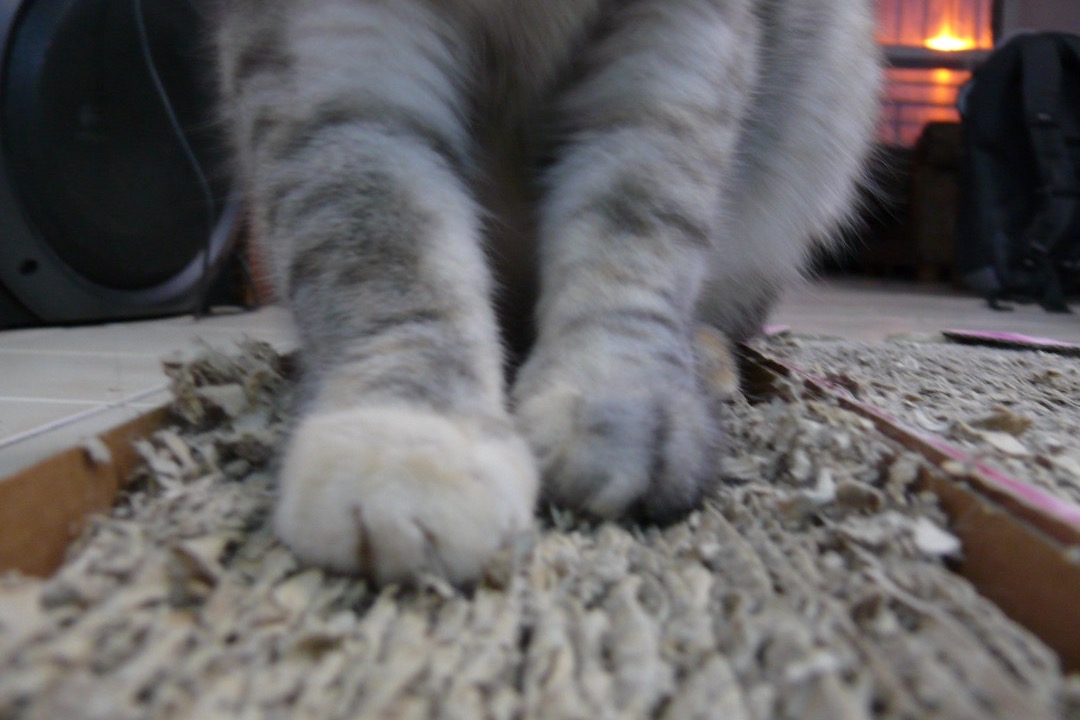
Owners come into my exam room frustrated, and I understand why: the arm of a beloved sofa is shredded, the corner of the box spring is in ribbons, and it feels like the cat is doing it on purpose. So let me start with the single most important thing I tell every one of them. Your cat is not being spiteful, destructive, or badly behaved. Scratching is a normal, healthy, hardwired feline behavior — as essential to a cat as eating or grooming — and no cat can be trained out of the need to scratch. What you can do, reliably and without conflict, is redirect where it happens.
The goal of this guide is not to stop your cat from scratching. That would be like trying to stop it from purring. The goal is to make an appropriate surface so attractive, and the furniture so uninteresting, that your cat chooses the scratcher every time. Do that and the furniture damage stops. I’ll walk through exactly how, in the order I coach it in practice, and I’ll flag the one scenario where a sudden change in scratching is a medical red flag rather than a behavior problem.
Why Cats Scratch in the First Place
You cannot redirect a behavior until you understand what it’s for, and scratching serves several purposes at once. Understanding them is what makes the fixes below work.
- Claw maintenance. Scratching pulls off the worn outer sheaths of the claws, exposing the sharp new nail underneath. It’s grooming, not sharpening — the cat is shedding a dead layer the way you’d file a nail.
- Scent and visual marking. This is the big one owners miss. Cats have scent glands in the pads of their paws, and scratching deposits both a scent mark and a highly visible physical mark. A scratched surface is a signboard that says this is my territory. That’s why cats target the most prominent, high-traffic objects in a room — the sofa by the doorway, not the one in the spare bedroom.
- A full-body stretch. Watch a cat scratch and you’ll see it dig in and pull back through its shoulders, spine, and toes. It’s a deeply satisfying stretch that exercises the muscles and tendons of the front legs.
- Emotional release. Cats scratch when they’re excited, when they wake up, and when they’re stressed or in conflict. It’s a way of discharging tension.
Every one of those functions tells you something about the solution. Because scratching is territorial marking, the scratcher has to go in a socially important spot, not hidden in a basement. Because it’s a stretch, the scratcher has to be tall and sturdy enough to allow a full extension. Get those right and you’re most of the way there.
Choosing a Scratcher Your Cat Will Actually Use
The most common reason a “training” effort fails is a scratcher the cat finds inferior to your couch. Cats have clear preferences, and they’re worth matching deliberately.
- Height and sturdiness come first. If your cat scratches the vertical face of the sofa, it wants to stretch up. A vertical post must be taller than your cat is when fully stretched — for most adult cats that means at least 28 to 32 inches — and, critically, it must not wobble. A post that tips or shifts mid-scratch is a post a cat abandons instantly, and it goes right back to the rock-solid couch. Weight at the base and a wide footprint matter more than looks.
- Match the texture your cat already prefers. Watch what your cat is currently destroying. If it’s the woven fabric of the couch, offer sisal rope or sisal fabric. If it’s the carpet, a horizontal carpeted scratcher or an angled cardboard one may win. Corrugated cardboard scratchers are inexpensive, wildly popular with cats, and a great low-cost way to test a preference.
- Match the orientation. Some cats are vertical scratchers (posts, sofa arms, door frames); others are horizontal (rugs, carpet, the cardboard pad on the floor). Offer the orientation your cat is actually using. When in doubt, provide both.
- Provide more than one. A single scratcher in a single room rarely covers a cat’s territory. The rule I give clients: one scratching surface per major room the cat spends time in, plus one near each favorite sleeping spot (cats love to scratch right after waking).
A tall, stable cat tree earns its keep here because it stacks several needs into one object — a vertical sisal scratching surface, a lookout perch, and a place to nap, all in the socially important part of the room. That combination of vertical territory and an appealing scratch surface is exactly what pulls a cat off the furniture, which is why I treat a good tree as behavioral equipment, not just a toy.
Placement Is Half the Battle
I cannot overstate this: the right scratcher in the wrong place does nothing. Owners tuck the new post into a far corner to keep it out of sight, and then wonder why the cat ignores it. Remember that scratching is territorial marking — the cat wants to mark the prominent, social spaces.
- Put the scratcher next to the furniture the cat is targeting. Directly beside the corner of the couch it’s been shredding. You can gradually move it a few inches at a time to a more convenient spot over weeks after the cat is reliably using it — but start it right at the scene.
- Place scratchers in high-traffic areas — near doorways, beside the sofa, in the room where the family gathers. These are the socially important spots a cat most wants to claim.
- Add one near sleeping areas. The stretch-and-scratch right after a nap is nearly universal; a post beside the cat’s favorite bed catches that moment.
Making the Furniture Unappealing
The other half of the equation is making the furniture a worse option than the scratcher. This works best done alongside providing the better alternative, never instead of it.
- Cover the target temporarily. Double-sided sticky tape made for furniture, a smooth throw, or aluminum foil over the scratched spot removes the satisfying texture. Cats dislike the tacky feel and tend to leave it alone. Once they’ve committed to the nearby scratcher for a few weeks, you can remove the covering.
- Neutralize the scent mark. A spot a cat has scratched carries its scent, which invites re-scratching. Cleaning the area with an enzymatic cleaner helps break that cycle, the same way it does with litter box accidents.
- Use scent to your advantage on the scratcher. Many cats are drawn to catnip or silver vine — rubbing a little into a new post can jump-start interest. Synthetic feline pheromone products can also make a scratcher more inviting and a marked area less so.
- Never rely on punishment. No squirt bottles, no yelling, no scary noises. Punishment doesn’t teach a cat not to scratch — it can’t, because the drive is innate — it only teaches the cat to fear you and to scratch when you’re not watching. It’s the same principle I stress with litter box training: you succeed by making the right choice easy and rewarding, never by making the cat afraid.
Keep the Claws in Good Shape
Nail care is the quietly effective piece owners overlook. Trimming the sharp tips off your cat’s front claws every couple of weeks won’t stop the urge to scratch, but it dramatically reduces the damage each scratch does and lowers the odds of a claw catching and snagging upholstery.
Introduce nail trims gradually and pair them with treats so the cat associates the handling with something good. Trim only the clear, sharp tip and stay well clear of the pink “quick,” which contains a blood vessel and nerve. If you’re not confident, your veterinarian or a groomer can do it and show you the technique.
A quick word on the shortcut owners sometimes ask about: I do not recommend declawing. It is not a nail removal — it’s the amputation of the last bone of every toe, it can cause lasting pain and behavioral problems, and it’s increasingly restricted or banned. Soft vinyl nail caps glued over the claws are a humane alternative for cats that keep damaging furniture despite everything above; ask your vet whether they’re a fit.
When Scratching Is Really About Stress
Here’s the pattern I always probe when a previously fine cat suddenly starts scratching more, or targets new spots. Because scratching is partly an emotional release and a territorial statement, a spike in it is often a sign the cat feels its territory is threatened or its stress level has risen.
- A new cat, person, or move. Social tension is one of the most common triggers. In multi-cat homes especially, scratching can escalate as cats stake out contested territory. If you’ve recently added a cat or are struggling with friction between cats, working through a proper, gradual reintroduction often calms the marking — I lay out that whole process in my guide to introducing cats to each other.
- Boredom and under-stimulation. A cat with too little to do scratches more. Daily interactive play (wand toys, a few short sessions), puzzle feeders, and vertical space to climb all drain the energy that would otherwise go into the couch. Even feeding routine plays a role — turning meals into small foraging challenges gives an under-occupied cat a job. A complete, satisfying diet fed on a predictable schedule steadies a cat’s day and its mood; if you want help choosing one, see my picks for the best cat food, and if you’re not sure how much to put in the bowl, my feeding-by-weight guide covers portions and how to split them across the day.
- An unenriched environment. Cats need territory they can own vertically and horizontally. Perches, window views, hiding spots, and an appealing, well-placed set of resources reduce the anxious energy behind stress-scratching. Something as simple as adding a cat water fountain gives a cat one more engaging station to visit and encourages the movement and drinking that keep a bored indoor cat occupied and healthy.
- Resource guarding. Cats mark near contested resources. If scratching clusters around the food area or the litter box, the underlying issue may be competition or an unwelcoming setup. Spreading resources out and making sure each cat has unobstructed access — including enough well-placed litter boxes filled with a litter the cat actually likes — takes the pressure off and often quiets the marking.
Address the stressor and the scratching usually settles back to normal, redirected onto the scratchers you’ve provided.
When to Call Your Veterinarian
Most furniture scratching is pure normal behavior and needs no medical attention — just the redirection plan above. But a few situations warrant a call:
- A sudden, dramatic increase in scratching, or scratching paired with other new behaviors like over-grooming, hiding, litter box lapses, or aggression. Together these can signal that the cat is stressed, in pain, or unwell, and the scratching is a symptom rather than the problem.
- Signs of a paw or claw problem — limping, licking or chewing at a paw, swelling or discharge around a nail, or a claw that looks ingrown, broken, or torn. An infected or injured nail bed is painful and needs treatment.
- Scratching directed at the cat itself rather than the furniture — frequent scratching, biting, or licking at its own skin and coat. That’s a different problem from territorial furniture scratching, and it’s most often fleas or an allergy. If you see it, check for parasites and consider a flea treatment; persistent itching deserves a vet visit.
- Scratching so intense it causes self-injury, or that seems compulsive and hard for the cat to stop, which occasionally reflects an underlying anxiety disorder or medical condition.
When scratching is ordinary marking and maintenance — which it usually is — you don’t need me; you need the right scratcher in the right spot and a little patience. When it changes suddenly or comes with other worrying signs, that’s when it’s worth a visit, because the behavior may be the visible edge of something else.
Frequently Asked Questions
Why is my cat scratching the furniture all of a sudden?
A sudden increase usually points to a change in the cat’s world — a new pet or person, a move, rearranged furniture, or another source of stress — because scratching is partly territorial marking and emotional release. Look for what changed, address the stressor, and provide appealing scratchers in the marked spots. If the change is dramatic or comes with other new behaviors like hiding or over-grooming, have your vet rule out a medical cause.
Will my cat ever stop scratching completely?
No, and that’s not the goal. Scratching is a normal, healthy, instinctive behavior that maintains claws, marks territory, and lets a cat stretch. You can’t and shouldn’t eliminate the urge — you redirect it onto scratchers your cat prefers over the furniture. Done right, the furniture damage stops even though the scratching continues.
What kind of scratcher should I get?
Match your cat’s existing habits. Offer the orientation it already uses (a tall, sturdy vertical post for sofa-arm scratchers; a flat carpet or cardboard scratcher for floor and rug scratchers) and a similar texture (sisal for fabric-scratchers, cardboard or carpet for others). A vertical post must be taller than your fully stretched cat and completely stable — a wobbly post gets abandoned.
Where should I put the scratching post?
Right next to the furniture your cat is targeting, in a prominent, high-traffic part of the room — not hidden in a corner. Because scratching marks territory, cats want to scratch in socially important spaces. Add one near favorite sleeping spots too, since many cats scratch right after waking. You can slowly relocate a post only after the cat is reliably using it.
Is it OK to declaw my cat to stop the scratching?
No. Declawing is not nail removal — it’s amputating the last bone of each toe, and it can cause chronic pain and behavior problems, which is why it’s increasingly banned. Use humane approaches instead: appropriate scratchers, regular nail trims, furniture deterrents, and, if needed, soft vinyl nail caps. Ask your veterinarian about caps if damage persists.
Does trimming my cat’s nails stop furniture scratching?
It reduces the damage but doesn’t remove the urge to scratch. Trimming the sharp tips of the front claws every couple of weeks means each scratch does far less harm and claws catch on upholstery less often. Pair it with providing better scratchers and making the furniture unappealing — nail trims are one piece of the plan, not the whole fix.
Related Articles
How to Introduce Cats to Each Other: A Feline Veterinarian's Step-by-Step Guide
health-wellness
11 Best Cat Litter Boxes of 2026
litter-boxes
9 Best Cat Water Fountains of 2026
bowls-feeders
How to Introduce a Cat to a New Home: A Feline Veterinarian's Day-by-Day Guide
health-wellness
How to Give a Cat a Pill: A Feline Veterinarian's Step-by-Step Guide
health-wellness
About the Reviewer

Dr. Priya Anand, DVM, ABVP (Feline)
DVM, Cornell University College of Veterinary Medicine
Dr. Priya Anand is a veterinarian board-certified by the ABVP in Feline Practice, with over a decade caring for cats in a feline-exclusive clinic. She has guided thousands of cat owners through nutrition, litter-box troubleshooting, enrichment, and senior-cat care. She founded House of Mittens in 2026 to cut through pet-aisle marketing and recommend the food, litter, and gear that actually keep cats healthy and happy — judged the way she'd advise her own patients.