8 Best Cat Foods of 2026
Feline veterinarian Dr. Priya Anand, DVM ranks the 8 best cat foods of 2026 — dry, wet, grain-free, and budget picks judged on protein, AAFCO standards, and feline health.
Updated
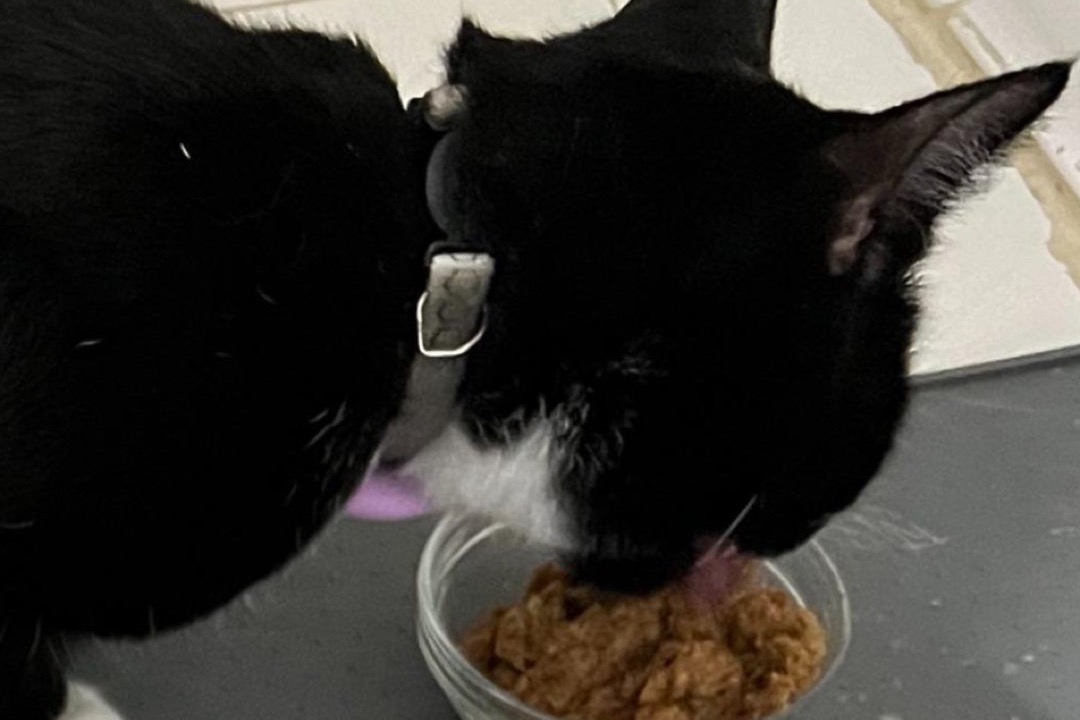
More than half of the cats I examine are carrying too much weight, and nearly every owner is surprised to hear it. That single statistic captures why choosing a cat food is one of the most consequential decisions you make as an owner — and why the pet aisle, with its competing claims of “natural,” “grain-free,” and “vet-recommended,” makes it so hard to do well. The best cat food is not the bag with the prettiest label or the loudest marketing. It is a complete, animal-protein-first diet, ideally substantiated by feeding trials and built around the fact that cats are obligate carnivores who need meat, taurine, and moisture to thrive. Get that right and you protect your cat’s heart, kidneys, urinary tract, and waistline for years.
For this roundup I evaluated seven foods across the factors I actually counsel owners on in the clinic: the AAFCO feeding-trial standard, protein quality and source, taurine, moisture, the grain-free question, and life-stage fit. The lineup deliberately spans the two camps that divide cat owners — the vet-traditional brands with deep clinical pedigrees and the cleaner-label high-protein options — plus the wet food I wish every household fed at least some of. This is the general, all-purpose guide; if you are shopping for a specific need, we also publish focused guides to wet food, dry food, kitten food, and senior diets, and a cat’s needs shift with age, so our cat age chart can help you place your cat in the right life stage in a tap. Not sure whether your cat even needs to gain or lose? Our free average & ideal cat weight checker gives a healthy range by breed and flags where your cat lands. Once you’ve picked a food, our free cat diet calculator turns your cat’s weight into a daily calorie target and the exact amount to scoop from that specific bag or can, and our cat feeding schedule generator turns “twice a day” into exact meal times built around your own wake-up and bedtime. Good nutrition also sits inside a larger system of care — a clean litter setup and a sensible health and wellness routine are its natural companions.
Find the Best Cat Food for Your Need
Jump straight to the food that matches your cat:
- Overall best cat foods
- Best wet cat food
- Best dry cat food
- Best vet-recommended cat food
- Best indoor cat food
- Best for sensitive stomach
- Best budget cat food
- More by need
How We Tested and Evaluated These Cat Foods
Every food in this roundup was selected on a verified, active Amazon listing with real owner-review volume, a named animal protein leading its ingredient list, and an AAFCO complete-and-balanced statement for its life stage. I read through owner reviews focused on what matters clinically — palatability, stool quality, coat condition, and whether cats actually accepted the food long-term — and I filtered everything through what I see in practice: the urinary blockages traced to dry-only diets, the weight creep from free-feeding, the chronic vomiters who settle on the right formula. I weighted feeding-trial substantiation, real-meat protein, and the presence of added taurine toward the top, because those are the features that protect feline health rather than merely market well. Specialty and budget options earn their place where they genuinely serve a household need, with clear notes on the trade-offs. The result is seven foods chosen to cover the real range of cat households rather than to chase a single ingredient trend.
Best Cat Foods Overall
These are the full reviews, starting with the food I recommend most and working through the budget, upgrade, and specialty picks. Every food below is reviewed once here; the use-case sections that follow simply point you back to the right pick for your cat.
Best Overall: Purina Pro Plan High Protein with Probiotics
Purina Pro Plan is the dry food I name most often when an owner asks for a single dependable recommendation, and it earns the top spot on substance rather than marketing. Start with the foundation: real chicken is the first ingredient and the formula runs high in animal protein, which is exactly what an obligate carnivore needs. Cats are built to derive their energy and essential nutrients from meat, and a protein-forward recipe respects that biology in a way that grain-heavy budget foods do not.
What sets Pro Plan apart in my exam room is the live probiotics built into the kibble. Chronic soft stool and intermittent vomiting are among the most common low-grade complaints I hear about otherwise-healthy adult cats, and this is the formula I most often see quietly resolve them. The probiotic support, combined with high digestibility, makes a real day-to-day difference for sensitive feline guts. Just as important to me is that Pro Plan is substantiated through AAFCO feeding trials, not formulation alone — the food was actually fed to cats and the outcomes measured, which is the higher regulatory standard and the one I trust most.
The practical case is just as strong. Across thousands of reviews, palatability is excellent, and that matters more than it sounds: the best diet in the world does nothing if your cat refuses it, and even picky eaters tend to accept Pro Plan readily. The honest caveats are narrow. It is not grain-free, so it is not the pick for the rare cat with a confirmed grain sensitivity, and it carries premium pricing relative to supermarket brands. For the overwhelming majority of healthy adult cats, though, this is where I would start.
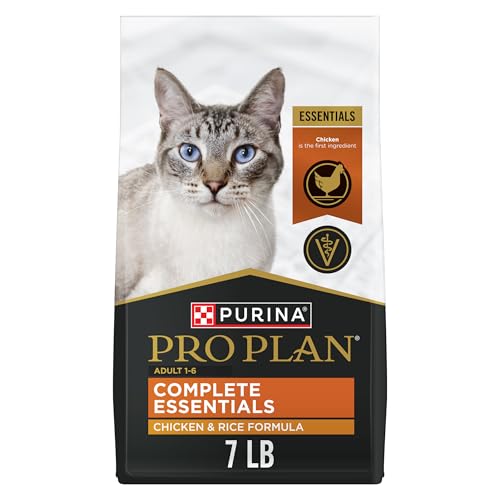
Purina Pro Plan High Protein Cat Food With Probiotics, Chicken and Rice Formula
by Purina Pro Plan
My top overall recommendation -- feeding-trial-tested, high in real-chicken protein, and fortified with live probiotics that I repeatedly see settle sensitive feline digestion.
Pros
- Live probiotics are built into the kibble coating to support digestive and immune health -- in my exam room this is the formula I most often see settle the chronic soft stool and intermittent vomiting that plague otherwise-healthy adult cats
- Real chicken is the first ingredient and the recipe runs high in animal protein, which matters because cats are obligate carnivores whose bodies are built to draw energy from meat rather than plant filler
- Substantiated through AAFCO feeding trials rather than formulation alone -- the food was actually fed to cats and the outcomes measured, the higher of the two regulatory standards and the one I trust most
- Exceptional palatability across thousands of reviews -- even picky cats that refuse a diet change tend to accept this one, which makes it a realistic everyday food rather than an aspirational one
Cons
- Not grain-free; the formula includes rice and a corn protein meal, so it is not the pick for the rare cat with a confirmed grain sensitivity
- Premium pricing per pound relative to supermarket brands, though the probiotic content and protein quality justify it for most households
Budget Pick: IAMS Proactive Health with Real Chicken
IAMS Proactive Health is my budget recommendation because it proves you do not have to overspend to feed a cat well. It is one of the best-selling dry cat foods on Amazon by review volume, with tens of thousands of ratings, and that scale of real-world feedback gives me unusual confidence in its consistency from bag to bag — a meaningful reassurance at this price point, where quality control is the first thing I worry about.
Nutritionally, the fundamentals are sound. Real chicken leads the ingredient list, the formula is complete and balanced for adult maintenance, and it includes added L-carnitine to support a healthy metabolism and lean body condition. That last feature is genuinely useful for the indoor cats most prone to creeping weight gain — the very cats I see most often carrying extra pounds. For a value food, the inclusion is a thoughtful touch rather than a marketing afterthought.
I want to be honest about who this food is and is not for. Chicken by-product meal appears high in the ingredient list; it is nutritionally adequate, but it is lower-quality protein than the whole-meat formulas higher on this list. And the grain content is corn-forward behind the protein, so it is not a fit for grain-sensitive cats or owners seeking a minimal-ingredient label. For a healthy adult cat in a multi-cat household where food volume adds up fast, though, it delivers complete nutrition at a price you can sustain indefinitely — and a food you can keep buying is worth more than a perfect food you cannot.

IAMS Proactive Health Dry Cat Food with Real Chicken, Indoor Weight & Hairball Care
by IAMS
The smart budget pick -- one of the most-reviewed dry cat foods on Amazon, complete and balanced with real chicken first and metabolism-supporting L-carnitine, at a price multi-cat homes can sustain.
Pros
- One of the single best-selling dry cat foods on Amazon by review volume, with tens of thousands of ratings -- that scale of real-world feedback gives me unusual confidence in its batch-to-batch consistency
- Real chicken leads the ingredient list and the formula is complete and balanced for adult maintenance, so the low price does not come at the cost of basic nutritional adequacy
- Added L-carnitine supports a healthy metabolism and lean body condition, a genuinely useful feature for the indoor cats most prone to creeping weight gain
- One of the lowest costs per pound of any quality adult food, which makes consistent daily feeding realistic for multi-cat households where food volume adds up fast
Cons
- Chicken by-product meal appears high in the ingredient list -- nutritionally adequate, but lower-quality protein than the whole-meat formulas above it
- Corn-forward grain content behind the protein, so it is not a fit for grain-sensitive cats or owners seeking a minimal-ingredient label
Upgrade Pick: Blue Buffalo Wilderness with Salmon
Blue Buffalo Wilderness is the upgrade I point owners toward when they want the cleanest, most protein-dense dry food and their budget allows it. Real deboned salmon leads a high-protein, grain-free recipe, and for an active adult cat that elevated animal-protein content supports lean muscle in a way that closely mirrors a carnivore’s natural diet. This is ancestral-style nutrition done with mainstream availability and quality control.
The label is its standout feature. There is no poultry by-product meal and no corn, wheat, or soy, which makes it the cleanest-label dry food in this roundup and a sound choice for owners who read every ingredient. The salmon base brings omega-3 fatty acids, and reviewers consistently report softer coats and reduced shedding within a few weeks of switching — a visible payoff that keeps owners loyal. The LifeSource Bits add a targeted blend of antioxidants, vitamins, and minerals on top of the base kibble, supporting immune function and overall condition.
One honest point of perspective belongs here, and it is the same one I make in the exam room: grain-free is a marketing strength, not a medical necessity, for cats. If your cat already thrives on a grain-inclusive food, there is no clinical reason to pay the grain-free premium. But if you specifically want a high-protein, by-product-free, omega-rich diet — and many thoughtful owners do — this is the best execution of that brief in the roundup, and a genuine step up in ingredient quality.

Blue Buffalo Wilderness with Salmon High-Protein Grain-Free Dry Cat Food
by Blue Buffalo
The premium grain-free upgrade -- real-salmon protein, a clean by-product-free label, and coat-supporting omega-3s for owners who want ancestral-style nutrition and whose budget allows it.
Pros
- Real deboned salmon leads a high-protein, grain-free recipe -- for an active adult cat, the elevated animal-protein content supports lean muscle in a way that closely mirrors a carnivore's natural diet
- No poultry by-product meal and no corn, wheat, or soy, which makes it the cleanest-label dry food in this roundup and a sound choice for owners who read every ingredient
- The salmon base delivers omega-3 fatty acids, and reviewers consistently report softer coats and reduced shedding within a few weeks of switching
- LifeSource Bits add a targeted blend of antioxidants, vitamins, and minerals beyond the base kibble, supporting immune function and overall condition
Cons
- Higher price per pound than grain-inclusive options, the trade-off for grain-free salmon protein and a by-product-free label
- Grain-free is a marketing strength, not a medical necessity for most cats -- if your cat thrives on a grain-inclusive food there is no clinical reason to pay the premium
Runner-Up: Hill’s Science Diet Adult 1-6
Hill’s Science Diet is the food I reach for when an owner wants maximum clinical pedigree, and it lands as my runner-up for reasons that have nothing to do with marketing. It is the brand veterinarians recommend more than any other in the United States, and that recommendation rests on real foundations: AAFCO feeding trials, board-certified nutritionists, and one of the largest research and quality-control operations in the entire pet-food industry. When I recommend Hill’s, I am leaning on decades of clinical data.
The formula itself is precisely balanced. Omega-6 fatty acids and vitamin E support skin and coat, and added taurine protects cardiac and retinal health — the amino acid cats cannot make on their own and the single most important reason cat food must differ from dog food. It is also the most-reviewed dry food in this roundup, which tells me how widely and consistently cats tolerate and thrive on it. Cats transitioning from another diet, including from a veterinary therapeutic food, tend to adapt to it smoothly thanks to its high digestibility and reliable palatability.
The caveats keep it just behind my top pick. It is among the pricier mainstream options per pound, a real consideration for multi-cat homes, and it includes corn, wheat, and soy — ingredients some label-conscious owners prefer to avoid, even though they are nutritionally appropriate for cats. For an owner who values clinical track record above all else, however, Hill’s is as safe and well-supported a choice as exists on the shelf.

Hill's Science Diet Adult 1-6 Premium Nutrition Dry Cat Food, Chicken Recipe
by Hill's Science Diet
The vet-trusted runner-up -- feeding-trial-tested, taurine-fortified, and recommended by more US veterinarians than any other brand, ideal for owners who want clinical pedigree above all.
Pros
- The brand veterinarians recommend more than any other in the United States, backed by AAFCO feeding trials and one of the largest research and quality-control operations in pet nutrition
- A precisely balanced micronutrient profile -- omega-6 fatty acids and vitamin E for skin and coat, plus added taurine for cardiac and retinal health, the amino acid cats cannot make on their own
- The largest review base of any dry food in this roundup, reflecting how widely and consistently cats tolerate and thrive on it
- Highly digestible with reliable palatability, so cats transitioning from another diet -- including from a veterinary therapeutic food -- tend to adapt smoothly
Cons
- Among the pricier mainstream options per pound, a real consideration for multi-cat homes
- Includes corn, wheat, and soy, ingredients some label-conscious owners prefer to avoid even though they are nutritionally appropriate for cats
Blue Buffalo Tastefuls Sensitive Stomach: For Touchy Digestion
Blue Buffalo Tastefuls Sensitive Stomach is the food I suggest for the cat who does fine on quality nutrition but has a temperamental gut. Deboned chicken leads a sensitive-stomach formula built around gentle whole grains, and owners of cats with chronic loose stool or intermittent vomiting frequently report firmer, more regular output after switching. For a household worn down by cleaning up after a queasy cat, that change alone can be transformative.
The label holds up to scrutiny. There is no chicken by-product meal, no corn, wheat, or soy, and no artificial colors or preservatives — a clean profile that satisfies careful ingredient readers. It is fortified with omega-3 and omega-6 fatty acids for skin and coat and with added taurine for heart health, and it carries thousands of reviews plus an Amazon’s Choice badge on the smaller bag, reflecting broad acceptance even among finicky cats.
Two honest notes keep it out of the top tier. Pea protein sits prominently in the ingredient list, which some feline-nutrition advocates prefer to see lower or absent, and the food is formulation-substantiated rather than feeding-trial tested — a slightly lower regulatory bar than the Purina and Hill’s options above it. For a cat whose main issue is digestive sensitivity and whose owner wants a clean label, though, it is a thoughtful, well-targeted choice.

Blue Buffalo Tastefuls Sensitive Stomach Adult Dry Cat Food, Chicken & Brown Rice
by Blue Buffalo
A clean-label choice for cats with touchy digestion -- by-product-free, gentle whole grains, and a sensitive-stomach formula that many owners credit with calming chronic GI upset.
Pros
- Deboned chicken leads a sensitive-stomach formula with gentle whole grains, and owners of cats with chronic loose stool or intermittent vomiting frequently report firmer, more regular output after switching
- No chicken by-product meal, no corn, wheat, or soy, and no artificial colors or preservatives -- a clean label that holds up to careful ingredient reading
- Fortified with omega-3 and omega-6 fatty acids for skin and coat and with added taurine for heart health
- Backed by thousands of reviews and an Amazon's Choice badge on the smaller bag, reflecting broad acceptance among cats with finicky digestion
Cons
- Pea protein sits prominently in the ingredient list, which some feline-nutrition advocates prefer to see lower or absent
- Formulation-substantiated rather than feeding-trial tested, a slightly lower regulatory bar than the Purina and Hill's options
Purina ONE Tender Selects: Dependable Everyday Value
Purina ONE Tender Selects is the food I recommend to owners who want a trustworthy mainstream diet without stepping up to a premium line. Real chicken is the first ingredient, and — unusually for an accessible food at this tier — the recipe is substantiated through AAFCO feeding trials rather than formulation alone. That feeding-trial pedigree, inherited from Purina’s research operation, is a genuine quality signal you do not always get at this level of the market.
Cats simply like it, which is half the battle. The dual-texture kibble combines tender and crunchy pieces, and that palatability is a big part of why it earns one of the highest ratings in this entire roundup. Beyond taste, it includes natural prebiotic fiber to support gut health along with omega-6 fatty acids and antioxidants for skin, coat, and immune function, and it skips artificial flavors, preservatives, and poultry by-product meal — a cleaner label than most supermarket-tier foods.
The trade-offs are modest and predictable. It contains corn and rice, so it is not a grain-free option for the rare cat that needs one, and while its protein content is solid, it is not as dense as the grain-free or high-protein formulas at the top of this list. For a healthy adult cat and an owner who wants reliable, feeding-trial-backed nutrition from a name they recognize, it is an easy food to keep in the rotation.

Purina ONE Natural Dry Cat Food, Tender Selects Blend With Real Chicken
by Purina ONE
A feeding-trial-tested everyday food with real chicken first and a palatable dual-texture kibble -- a dependable mainstream choice for healthy adult cats.
Pros
- Real chicken is the first ingredient and the recipe is substantiated through AAFCO feeding trials, an unusually high standard for an accessible mainstream food
- A dual-texture kibble that combines tender and crunchy pieces, which drives the strong palatability earning it one of the highest ratings in this roundup
- Includes natural prebiotic fiber to support gut health along with omega-6 fatty acids and antioxidants for skin, coat, and immune function
- No artificial flavors or preservatives and no poultry by-product meal, a cleaner label than most supermarket-tier foods
Cons
- Contains corn and rice, so it is not a grain-free option for the rare cat that genuinely needs one
- Protein density is solid but not as high as the grain-free or high-protein formulas at the top of this list
Fancy Feast Classic Pate: The Wet-Food Pick
I included Fancy Feast Classic Pate because no roundup of the best cat food is complete without a wet option, and adding wet food is the single most useful change most owners can make. A cat’s natural prey is roughly 70 percent water, and cats have a low thirst drive because they evolved to get their moisture from food rather than a bowl. Canned food helps offset the chronic low-grade dehydration that a dry-only diet creates — a real risk factor for the urinary and kidney problems I treat constantly.
This particular pate is the wet food I most often reach for to get water into a reluctant cat. Its smooth texture and high palatability make it an easy sell even to finicky eaters, and it is the canned food I suggest for cats prone to urinary issues or showing early kidney changes, where every extra bit of moisture helps. It is grain-free, taurine-fortified, and free of artificial colors and preservatives, with one of the largest review bases of any wet food on Amazon. Sold as an affordable multi-can variety pack, it makes a daily wet-food habit realistic on almost any budget and gives picky cats welcome flavor rotation.
The honest limitations are about protein quality and quantity. The listed protein sources are meat by-products rather than named whole meats, which is lower-quality protein than premium canned options command. And the cans are small, so a cat eating wet-only needs two to three per day, meaning a full wet diet does add up despite the low per-can cost. As an affordable, complete way to bring hydration-supporting wet food into your cat’s routine, though — whether as the main diet or a daily topper over kibble — it is hard to beat.

Fancy Feast Classic Pate Poultry & Beef Grain-Free Wet Cat Food Variety Pack (30 cans)
by Fancy Feast
The wet-food workhorse -- an affordable, complete-and-balanced pate that boosts daily moisture intake, the most palatable budget way to bring hydration-supporting canned food into a cat's routine.
Pros
- A complete-and-balanced wet food, and wet food is the single most useful change most owners can make -- a cat's natural prey is roughly 70 percent water, and canned food helps offset the chronic low-grade dehydration a dry-only diet creates
- Smooth pate texture and high palatability make it the wet food I most often reach for to coax water into cats prone to urinary problems or early kidney changes
- Grain-free, taurine-fortified, and free of artificial colors and preservatives, with one of the largest review bases of any wet food on Amazon
- Sold as an affordable multi-can variety pack, which makes a daily wet-food habit realistic on almost any budget and gives finicky cats flavor rotation
Cons
- Listed protein sources are meat by-products rather than named whole meats, lower-quality protein than premium canned options
- Small cans mean an adult cat eating wet-only needs two to three per day, so a full wet diet adds up despite the low per-can cost
Instinct Original Grain-Free Real Chicken: The Premium Wet Upgrade
If Fancy Feast is the affordable on-ramp to wet food, Instinct Original Grain-Free is the step up for owners who want the same hydration benefit with markedly better ingredient quality. Where budget canned foods lean on meat by-products, this recipe is built on 95 percent chicken, turkey, and chicken liver — named, whole-meat animal protein, with cage-free chicken as the very first ingredient. For an obligate carnivore, that is exactly the profile I want to see in a can.
The label holds up to the kind of scrutiny careful owners give it. It is grain-free and made without corn, wheat, soy, potato, gums, or artificial colors and preservatives, and it is fortified with added taurine for the heart and eye health that no cat can maintain without it. Just as importantly, it delivers all of that as a smooth pate with high moisture, which is the whole point of feeding wet in the first place — it helps offset the chronic low-grade dehydration behind so many urinary and kidney problems. Owners of picky eaters and cats with sensitive stomachs repeatedly tell me this is the one canned food their cat will reliably eat and keep down, and its Amazon’s Choice status and nearly 2,000 ratings back that up.
The honest trade-offs are cost and format. It runs noticeably more per can than supermarket wet foods — the price of whole-meat protein and a clean grain-free label — and it is a pate-only recipe in small 5.5-ounce cans, so dedicated gravy-lovers may turn their noses up and a wet-only diet moves through cans quickly. For an owner who wants the highest-quality moisture-rich food for a picky or sensitive cat, though, it is the premium wet pick worth the spend.

Instinct Original Grain-Free Real Chicken Recipe Wet Canned Cat Food
by Instinct
The premium wet upgrade -- 95 percent whole-meat protein, grain-free, and taurine-fortified in a smooth pate, the canned food I recommend when an owner wants maximum ingredient quality and moisture for a picky or sensitive cat.
Pros
- Cage-free chicken leads a recipe that is 95 percent chicken, turkey, and chicken liver -- genuine whole-meat animal protein rather than the meat by-products most budget canned foods rely on, exactly the ingredient quality an obligate carnivore is built for
- Grain-free and made without corn, wheat, soy, potato, gums, or artificial colors and preservatives, with added taurine for heart and eye health -- a clean, complete label that holds up to careful ingredient reading
- The smooth pate texture and high moisture make it easy to feed as a full wet diet or a topper over kibble, and owners of picky eaters and sensitive-stomach cats repeatedly report it is the one canned food their cat will reliably eat and keep down
- An Amazon's Choice pick with nearly 2,000 ratings, giving it a real track record among premium canned foods and reassurance on batch-to-batch consistency
Cons
- Noticeably more expensive per can than supermarket wet foods, the trade-off for whole-meat protein and a clean grain-free label
- Pate-only texture and small 5.5-ounce cans mean gravy-lovers may refuse it and a wet-only diet runs through cans quickly
Best Wet Cat Food
Adding wet food is the single most valuable change most owners can make — a cat’s natural prey is about 70 percent water, and canned food offsets the chronic low-grade dehydration a dry-only diet creates. The right pick comes down to budget versus ingredient quality.
| Product | Price | Buy |
|---|---|---|
| Fancy Feast Classic Pate Poultry & Beef Grain-Free Wet Cat Food Variety Pack (30 cans)Best budget wet food An affordable, complete-and-balanced pate variety pack -- the easiest way to get daily moisture into any budget | $28.06 | View on Amazon |
| Instinct Original Grain-Free Real Chicken Recipe Wet Canned Cat FoodBest premium wet food 95 percent whole-meat protein, grain-free and taurine-fortified, for owners who want maximum ingredient quality | $33.48 | View on Amazon |
Best Dry Cat Food
For a convenient, shelf-stable staple, dry food is fine as long as it leads with real animal protein and, ideally, carries feeding-trial substantiation. These are the strongest kibbles on this list — pair any of them with some wet food or a water fountain to keep hydration up.
| Product | Price | Buy |
|---|---|---|
| Purina Pro Plan High Protein Cat Food With Probiotics, Chicken and Rice FormulaBest dry overall Feeding-trial-tested, high in real-chicken protein, with probiotics that settle sensitive digestion | $27.08 | View on Amazon |
| Blue Buffalo Wilderness with Salmon High-Protein Grain-Free Dry Cat FoodBest grain-free dry Real-salmon, by-product-free, grain-free kibble with omega-3s for coat and skin | $27.98 | View on Amazon |
| Hill's Science Diet Adult 1-6 Premium Nutrition Dry Cat Food, Chicken RecipeBest vet-trusted dry The most vet-recommended brand in the US, feeding-trial-tested and taurine-fortified | $34.99 | View on Amazon |
Best Vet-Recommended Cat Food
When owners ask what veterinarians actually feed, the answer leans on brands with feeding trials, board-certified nutritionists, and decades of clinical data. These are the picks with that pedigree.
| Product | Price | Buy |
|---|---|---|
| Hill's Science Diet Adult 1-6 Premium Nutrition Dry Cat Food, Chicken RecipeBest clinical pedigree The brand US vets recommend most, backed by AAFCO feeding trials and a huge research operation | $34.99 | View on Amazon |
| Purina Pro Plan High Protein Cat Food With Probiotics, Chicken and Rice FormulaBest vet-trusted everyday Feeding-trial-tested with probiotics -- the dependable high-protein pick I name most often | $27.08 | View on Amazon |
| Purina ONE Natural Dry Cat Food, Tender Selects Blend With Real ChickenBest accessible vet-backed Feeding-trial substantiation from Purina in a widely available, palatable everyday food | $41.76 | View on Amazon |
Best Indoor Cat Food
Indoor cats move less and gain weight more easily, so the priority is calorie-appropriate nutrition with metabolism support — and portion control matters more than any label claim.
| Product | Price | Buy |
|---|---|---|
| IAMS Proactive Health Dry Cat Food with Real Chicken, Indoor Weight & Hairball CareBest for indoor cats Real chicken plus added L-carnitine for metabolism and lean condition -- built for indoor weight control | $16.97 | View on Amazon |
| Purina ONE Natural Dry Cat Food, Tender Selects Blend With Real ChickenBest indoor everyday value A palatable, feeding-trial-tested everyday food that is easy to portion for a sedentary indoor cat | $41.76 | View on Amazon |
| Purina Pro Plan High Protein Cat Food With Probiotics, Chicken and Rice FormulaBest high-protein for indoor High-protein and probiotic-supported to keep an indoor cat lean and satisfied on measured meals | $27.08 | View on Amazon |
Best Cat Food for Sensitive Stomach
For a cat with chronic soft stool or intermittent vomiting, look for a clean, limited-irritant recipe with digestive support — and introduce any change gradually over five to seven days.
| Product | Price | Buy |
|---|---|---|
| Blue Buffalo Tastefuls Sensitive Stomach Adult Dry Cat Food, Chicken & Brown RiceBest for sensitive stomach A by-product-free sensitive-stomach formula owners credit with calming chronic loose stool | $28.98 | View on Amazon |
| Purina Pro Plan High Protein Cat Food With Probiotics, Chicken and Rice FormulaBest probiotic-supported Built-in live probiotics that I most often see settle chronic soft stool and intermittent vomiting | $27.08 | View on Amazon |
| Instinct Original Grain-Free Real Chicken Recipe Wet Canned Cat FoodBest sensitive wet option A clean, grain-free whole-meat pate many owners find their sensitive cat keeps down | $33.48 | View on Amazon |
Best Budget Cat Food
You do not have to overspend to feed a cat well. These deliver complete, real-protein nutrition at a price a multi-cat household can sustain indefinitely.
| Product | Price | Buy |
|---|---|---|
| IAMS Proactive Health Dry Cat Food with Real Chicken, Indoor Weight & Hairball CareBest budget dry One of the most-reviewed dry foods on Amazon, complete and balanced at a sustainable price | $16.97 | View on Amazon |
| Purina ONE Natural Dry Cat Food, Tender Selects Blend With Real ChickenBest value everyday Feeding-trial-tested with real chicken first -- dependable value from a name you know | $41.76 | View on Amazon |
| Fancy Feast Classic Pate Poultry & Beef Grain-Free Wet Cat Food Variety Pack (30 cans)Best budget wet An affordable complete-and-balanced pate to add hydration without stretching the budget | $28.06 | View on Amazon |
Best Cat Food by Need
A few more specific situations come up often. Each food below appears in its full review above; this is the fastest route to the right one.
| Product | Price | Buy |
|---|---|---|
| Blue Buffalo Wilderness with Salmon High-Protein Grain-Free Dry Cat FoodBest grain-free Real-salmon, by-product-free, grain-free kibble for owners who prefer that ingredient profile | $27.98 | View on Amazon |
| IAMS Proactive Health Dry Cat Food with Real Chicken, Indoor Weight & Hairball CareBest for weight management Added L-carnitine and calorie-appropriate nutrition to support lean body condition | $16.97 | View on Amazon |
| Blue Buffalo Tastefuls Sensitive Stomach Adult Dry Cat Food, Chicken & Brown RiceBest for food sensitivities A limited-ingredient, by-product-free recipe that suits cats reacting to common fillers | $28.98 | View on Amazon |
How to Choose the Best Cat Food
The AAFCO Statement: Feeding Trials vs. Formulation
Every complete cat food carries an AAFCO statement, but there are two kinds and they are not equal. “Formulated to meet AAFCO nutrient profiles” means the company calculated the nutrient levels on paper. “Animal feeding tests using AAFCO procedures substantiate” means the food was actually fed to cats and their health outcomes measured over a defined period — a meaningfully higher bar. Both are legal and both are “AAFCO-complete,” but for a kitten, a senior, or a cat with any health concern, I prefer feeding-trial data because it reflects how cats really fared on the food. Purina, Hill’s, and Royal Canin run extensive feeding trials; many boutique brands rely on formulation alone. Learning to find this one sentence on the bag is the most useful label-reading skill a cat owner can develop.
Animal Protein First: Cats Are Obligate Carnivores
Cats are obligate carnivores, which means they are biologically required to eat meat — they cannot thrive on plant protein the way an omnivore can, and they need nutrients like taurine, arachidonic acid, and preformed vitamin A that come only from animal tissue. Read the first few ingredients: you want a named animal protein such as chicken, salmon, or turkey leading the list, not a grain or a vague “meat meal.” Whole named meats and named meals rank higher in quality than generic by-products. Ingredient order reflects pre-cooking weight, so a meat in the first position is a good sign — though not the whole story, which is why I pair it with the guaranteed analysis and the AAFCO statement.
Taurine: The Non-Negotiable Amino Acid
Taurine is the nutrient that makes cat food fundamentally different from dog food. Cats cannot synthesize it in adequate amounts, so it must come from the diet, and a deficiency causes two devastating and often irreversible conditions: dilated cardiomyopathy, a weakening of the heart muscle, and retinal degeneration that leads to blindness. Any AAFCO-complete cat food contains added taurine, and you will often see it spelled out on the ingredient list. This requirement is exactly why feeding cats a complete-and-balanced cat food — rather than dog food or unbalanced home-cooked meals — matters so much, and it is also why the canine grain-free heart-disease debate does not transfer to cats.
Moisture and the Hydration Question
A cat’s natural prey is roughly 70 percent water, and cats have a famously low thirst drive because they evolved to get most of their water from food. Dry kibble at about 10 percent moisture asks a cat to make up an enormous water deficit at the bowl, and many simply do not — which is why a dry-only diet is a recognized risk factor for urinary and kidney problems. I encourage at least some wet food in nearly every cat’s routine: it supports urinary tract and kidney health, aids satiety and weight control, and is often the easiest dietary change with the biggest payoff. If your cat eats mostly dry food, support their water intake with multiple clean sources or a fountain.
The Grain-Free Question: Why Cats Are Not Dogs
Grain-free is one of the most misunderstood claims in the pet aisle. The FDA’s investigation into diet-associated dilated cardiomyopathy focused on dogs eating legume-heavy grain-free diets, and the leading hypothesis involves how those ingredients affect taurine availability in dogs. Cats are categorically different: because they cannot make taurine, every complete cat food adds it, so the canine mechanism does not apply in the same way. The practical conclusion is that grain-free is a preference, not a health upgrade, for cats. Some cats do better on it and some owners simply prefer the ingredient profile — both perfectly good reasons to choose it. Just do not pay a premium expecting a medical benefit the evidence does not support for cats specifically.
Life Stage and Calorie Control
Match the food to your cat’s life stage. Kittens need higher protein, fat, and DHA for growth; healthy adults need maintenance nutrition with careful calorie control; seniors often benefit from adjusted phosphorus and protein to support aging kidneys and muscle mass. “All life stages” foods are formulated to kitten-level richness, which can over-supply calories to a sedentary adult. Beyond the formula, portion control is where most owners can do the most good — feline obesity affects the majority of US cats and is driven heavily by free-feeding. Measured meals, a known target weight, and regular body-condition checks matter more to your cat’s longevity than almost any branding on the bag.
Buyer's Guide
After years in feline practice fielding nutrition questions across the exam table, these are the six factors I walk owners through when they ask which food to buy -- ordered by how much they actually affect your cat's long-term health.
The AAFCO Statement: Feeding Trials vs. Formulation
Every complete cat food carries an AAFCO statement, but there are two kinds and they are not equal. 'Formulated to meet AAFCO nutrient profiles' means the company calculated the nutrient levels on paper. 'Animal feeding tests using AAFCO procedures substantiate' means the food was actually fed to cats and their health outcomes measured over a defined period -- a meaningfully higher bar. Both are legal and both are 'AAFCO-complete,' but for a kitten, a senior, or a cat with any health concern, I prefer feeding-trial data because it reflects how cats really fared on the food. Purina, Hill's, and Royal Canin run extensive feeding trials; many boutique brands rely on formulation alone. Learn to find this sentence on the bag -- it is the most useful label-reading skill a cat owner can develop.
Animal Protein First: Cats Are Obligate Carnivores
Cats are obligate carnivores, meaning they are biologically required to eat meat -- they cannot thrive on plant protein the way an omnivore can, and they need nutrients like taurine, arachidonic acid, and preformed vitamin A that come only from animal tissue. Read the first few ingredients: you want a named animal protein (chicken, salmon, turkey) leading the list, not a grain or a vague 'meat meal.' Whole named meats and named meals are higher quality than generic by-products. Ingredient order reflects pre-cooking weight, so a meat first is a good sign, though it is not the whole story -- pair it with the guaranteed analysis and the AAFCO statement for the full picture.
Taurine: The Non-Negotiable Amino Acid
Taurine is the nutrient that makes cat food fundamentally different from dog food. Cats cannot synthesize it in adequate amounts, so it must be supplied by the diet, and a deficiency causes two devastating, often irreversible conditions: dilated cardiomyopathy (a weakening of the heart muscle) and retinal degeneration leading to blindness. Any AAFCO-complete cat food contains added taurine -- you will often see it explicitly on the ingredient list -- which is precisely why feeding cats a 'complete and balanced' cat food, rather than dog food or home-cooked meals, matters so much. This single requirement is also why the canine grain-free DCM debate does not transfer to cats: their taurine is added regardless of grain content.
Moisture and the Hydration Question
A cat's natural prey is roughly 70 percent water, and cats have a famously low thirst drive because they evolved to get most of their water from food. Dry kibble at about 10 percent moisture asks a cat to make up an enormous water deficit at the bowl, and many simply do not -- which is why a dry-only diet is a recognized risk factor for urinary and kidney problems. I encourage at least some wet food in nearly every cat's routine: it supports urinary tract and kidney health, aids satiety and weight control, and is often the easiest dietary change with the biggest payoff. If your cat eats dry food, support their water intake with multiple clean sources or a fountain.
The Grain-Free Question: Why Cats Are Not Dogs
Grain-free is one of the most misunderstood claims in the pet aisle. The FDA's investigation into diet-associated dilated cardiomyopathy focused on dogs eating legume-heavy grain-free diets, and the leading hypothesis involves how those ingredients affect taurine availability in dogs. Cats are categorically different: because they cannot make taurine, every complete cat food adds it, so the canine mechanism does not apply in the same way. The practical conclusion is that grain-free is a preference, not a health upgrade, for cats. Some cats do well on it and some owners prefer the ingredient profile -- both fine reasons to choose it. Just do not pay a premium expecting a medical benefit that the evidence does not support for cats.
Life Stage and Calorie Control
Match the food to your cat's life stage. Kittens need higher protein, fat, and DHA for growth; healthy adults need maintenance nutrition with careful calorie control; seniors often benefit from adjusted phosphorus and protein to support aging kidneys and muscle mass. 'All life stages' foods are formulated to kitten-level richness, which can over-supply calories to a sedentary adult. Beyond the formula, portion control is where most owners can do the most good -- feline obesity affects the majority of US cats and is driven heavily by free-feeding. Measured meals, a known target weight, and regular body-condition checks matter more to your cat's longevity than almost any branding on the bag.
The Bottom Line on Cat Food
The right food is one of the quietest but most consequential choices you make for your cat. Get it right and you support their heart, kidneys, urinary tract, and weight for years; get it wrong and you may spend those years managing problems that trace back to a diet that was marketed well but built poorly. For most healthy adult cats, my recommendation is Purina Pro Plan — feeding-trial-tested, high in real-chicken protein, and fortified with the probiotics I repeatedly see settle sensitive digestion. If value is the priority, IAMS Proactive Health delivers complete nutrition and metabolism support at a price multi-cat homes can sustain, and if you want a clean-label, high-protein upgrade, Blue Buffalo Wilderness is the best execution of that brief here.
Whatever you choose, hold on to the principles that outrank any brand: a named animal protein first, an AAFCO statement you have actually read, taurine on the label, and enough moisture in the overall diet to keep your cat hydrated — which is why I nudge nearly every household toward at least some wet food like Fancy Feast Classic Pate. Pair the right food with measured meals rather than a constantly full bowl, a clean litter setup, and a sensible health and wellness routine, and you will have covered the true foundations of feline care. And if your cat’s appetite, weight, or eating habits change suddenly, treat that as a medical question first and have them examined — in cats, a shift in eating is one of the most important early signals that something needs attention.
Frequently Asked Questions
What is the healthiest cat food?
Is wet or dry food better for cats?
Is grain-free cat food safe for cats?
What cat food do veterinarians actually recommend?
How much should I feed my cat?
Related Articles
About the Reviewer

Dr. Priya Anand, DVM, ABVP (Feline)
DVM, Cornell University College of Veterinary Medicine
Dr. Priya Anand is a veterinarian board-certified by the ABVP in Feline Practice, with over a decade caring for cats in a feline-exclusive clinic. She has guided thousands of cat owners through nutrition, litter-box troubleshooting, enrichment, and senior-cat care. She founded House of Mittens in 2026 to cut through pet-aisle marketing and recommend the food, litter, and gear that actually keep cats healthy and happy — judged the way she'd advise her own patients.